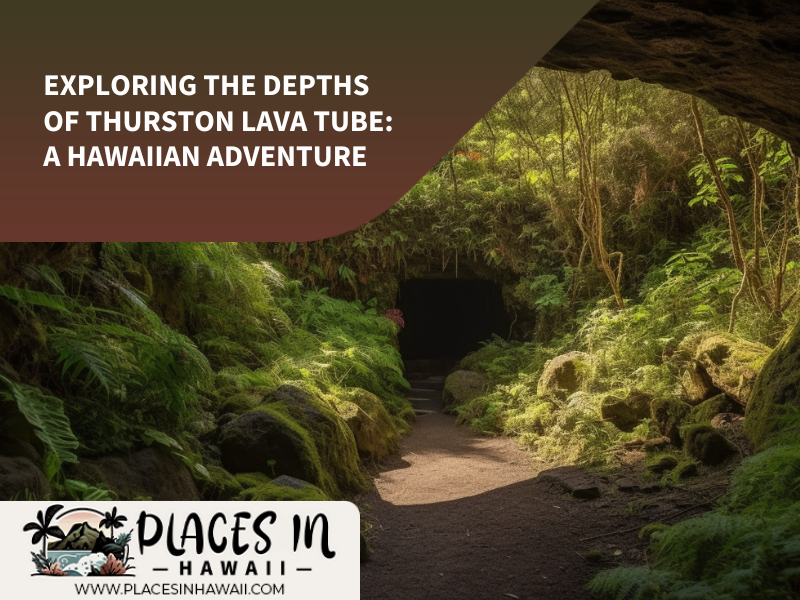
Nestled within the lush and otherworldly landscape of Hawaii Volcanoes National Park, the remarkable Thurston Lava Tube offers intrepid adventurers a unique opportunity to delve deep into the geological wonders of the island. This natural formation, known locally as Nāhuku, was created by molten lava flowing beneath the earth's surface over 550 years ago. The tube serves as a striking testament to the primal forces that have shaped Hawaii's rich topography and stands as an emblematic symbol of the power and beauty inherent in nature.
As one ventures into this subterranean realm, illuminated only by strategically placed lights that gently guide visitors through its winding passageways, one cannot help but be struck by the profound sense of awe and wonder emanating from every crevice. Here, among towering walls adorned with intricate mineral formations and undulating floors echoing with ancient whispers, lies an ethereal world that seems to defy time and space. Thurston Lava Tube beckons those with an insatiable thirst for exploration, promising a thrilling journey through the heart of Hawaii's volcanic history while revealing tantalizing glimpses of a hidden world lying just beneath our feet.
Key Takeaway
Thurston Lava Tube, also known as Nāhuku, is a remarkable geological formation in Hawaii Volcanoes National Park. This article highlights the tube's formation, its significance in Hawaiian culture, and the importance of preservation and conservation. It also provides practical information for visitors, including how to get to the park, safety precautions for exploring the lava tube, nearby attractions, and guided tours and educational opportunities. Additionally, the article discusses the flora and fauna surrounding the lava tube and offers photography tips to capture the awe-inspiring experience.
Recommended Action
Don't miss out on exploring the captivating caves of Hawaii during your getaway. Visit our page for more information and resources to plan your ultimate adventure.
The Formation Of NāHuku
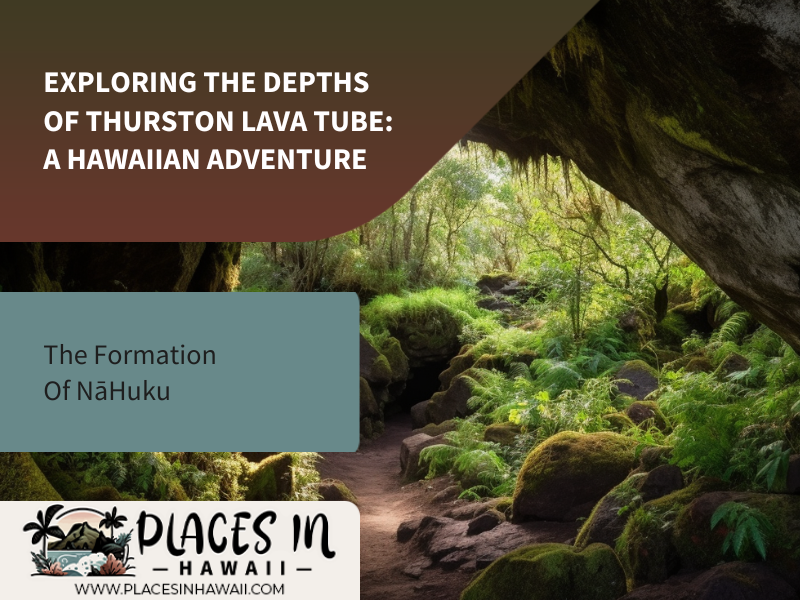
Imagine descending into the depths of a geological marvel, where molten lava once flowed and shaped the landscape around it. This is the experience that awaits visitors at Nāhuku, more commonly known as Thurston Lava Tube, a mesmerizing natural formation in Hawaii Volcanoes National Park. To fully appreciate this adventure, it is essential to understand the origin and formation process of Nāhuku.
Lava tube formation plays a crucial role in shaping the volcanic landscapes of Hawaii. As volcanic eruptions occur, molten lava flows from fissures and channels toward the ocean. The outermost layer of this flowing lava cools rapidly upon contact with air or water, creating a solid crust. Meanwhile, beneath this crust, molten lava continues to flow like an underground river. Over time, these rivers drain out and leave behind hollow tunnels we now know as lava tubes. Nāhuku's origins can be traced back to such an eruption approximately 550 years ago in Kīlauea Volcano's eastern rift zone.
The story of Nāhuku does not end here; rather, it serves as a gateway for further exploration into Hawaii Volcanoes National Park. As one delves deeper into this fascinating landscape, there are countless natural wonders waiting to be discovered each providing a unique insight into Earth's powerful geological forces and offering glimpses of untamed freedom that speak to our innermost desires for adventure and exploration. Journeying onwards from Nāhuku will lead travelers to new experiences within Hawaii Volcanoes National Park that are sure to captivate the imagination and invigorate the spirit.
Getting To Hawaii Volcanoes National Park
Nestled within the bounds of Hawaii Volcanoes National Park, Thurston Lava Tube offers a unique and thrilling adventure for those who wish to delve into the depths of Earth's volcanic activity. Access to this extraordinary park is facilitated by a variety of options, ensuring that visitors are able to experience the wonders it has to offer with relative ease. Whether arriving by car, bus, or organized tour groups from nearby cities, such as Hilo and Kona, volcano accessibility is simple and convenient.
Within the park itself, accommodations are available to suit a range of preferences and budgets. Visitors seeking a more immersive experience may opt for camping at the Nāmakanipaio or Kulanaokuaiki campgrounds, where they can sleep under the stars amidst the natural beauty of the park. For those desiring modern amenities and comfort, Volcano House a historic hotel perched on the rim of Kīlauea Caldera offers 33 guest rooms with stunning views and easy access to many of the park's attractions.
As one prepares to embark on their journey through Thurston Lava Tube, it is essential to consider various safety precautions necessary for lava tube exploration. This includes wearing appropriate footwear and clothing as well as carrying flashlights or headlamps in order to navigate safely through these dark passageways formed by molten lava. With preparation complete, adventurers can eagerly anticipate an unforgettable experience delving into an otherworldly realm forged by nature's fiery forces while exploring Hawaii Volcanoes National Park.
Safety Precautions For Lava Tube Exploration
Upon arriving at Hawaii Volcanoes National Park, the anticipation and excitement of exploring the Thurston Lava Tube can be felt in the air. This unique experience promises to quench the thirst for adventure and provide a sense of freedom from everyday life. However, before embarking on this journey into the depths of the earth, it is crucial to be aware of safety precautions and emergency preparedness measures.
When preparing for lava tube exploration, it is essential to equip oneself with appropriate lava safety gear. A helmet with a headlamp is crucial for navigating through dark tunnels while protecting one's head from potential bumps or falling debris. Sturdy boots or shoes with good traction are necessary for traversing uneven terrain and slippery surfaces that may be encountered within the lava tube. Additionally, wearing gloves and long sleeves can offer protection against sharp rocks or other abrasive surfaces that might be encountered during exploration.
Emphasizing emergency preparedness prior to entering a lava tube is vital for ensuring a safe adventure. It is recommended to carry extra batteries for headlamps as well as a backup light source, such as a flashlight or glow sticks. Carrying sufficient water and snacks can help maintain energy levels throughout the excursion, while having a fully charged cellphone (preferably with GPS capabilities) can aid in navigation and communication if needed. It is also advisable to explore in groups and inform someone outside of the group about your plans, including expected return time. With these precautions in mind, adventurers can confidently embark on their journey into Thurston Lava Tube as they uncover its fascinating geological features within the tube itself.
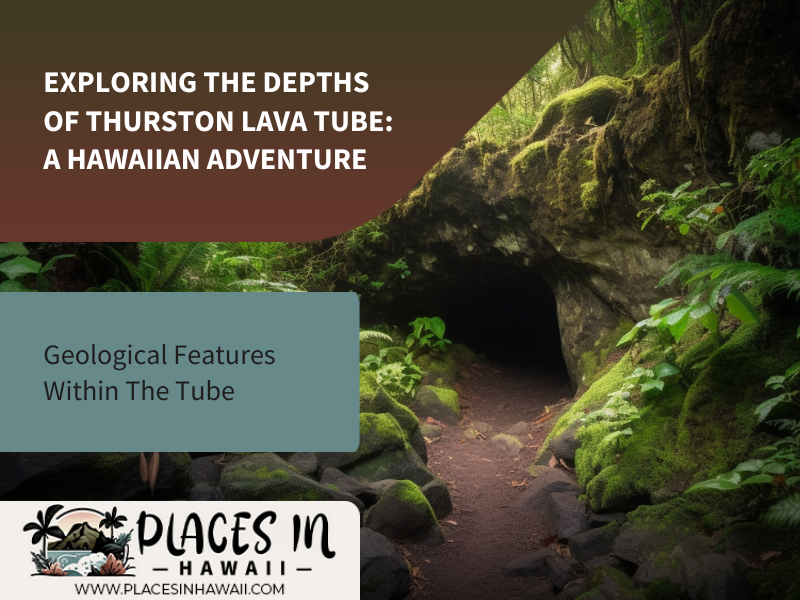
Geological Features Within The Tube
The Thurston Lava Tube, otherwise known as Nāhuku, is a natural wonder that showcases an array of geological features. Within its depths, visitors can observe the marvelous process of lava tube formation and gain insight into the area's volcanic history. The tube's walls reveal layers upon layers of hardened lava, each telling a story about the tumultuous past of this region.
Lava tube acoustics play a significant role in enhancing the experience inside Nāhuku. They allow for every sound to be amplified and reverberate throughout the space, making one feel truly immersed in this subterranean world. Unique mineral formations are also present within the tube; stalactites and stalagmites formed by mineral-rich water dripping from the ceiling over time create an otherworldly environment. To further engage visitors, here are some highlights to explore while visiting Thurston Lava Tube:
- The different types of lava flows visible along the walls
- Varied textures and colors created by cooling lava
- Stalactite and stalagmite formations reminiscent of limestone caves
- Evidence of inhabitants, such as insects, bats, and plant life
- Light shafts piercing through openings in the ceiling
As one traverses deeper into Nāhuku, it becomes increasingly evident that this geological treasure holds immense value not only for scientific research but also for cultural preservation. Every curve within this labyrinth tells a complex tale about Hawaii's origins and offers a rare glimpse into Earth's raw power. With this understanding comes an innate responsibility to protect these delicate ecosystems for future generations. This realization naturally leads to exploring ways to ensure that proper preservation and conservation measures are taken when interacting with such environments.
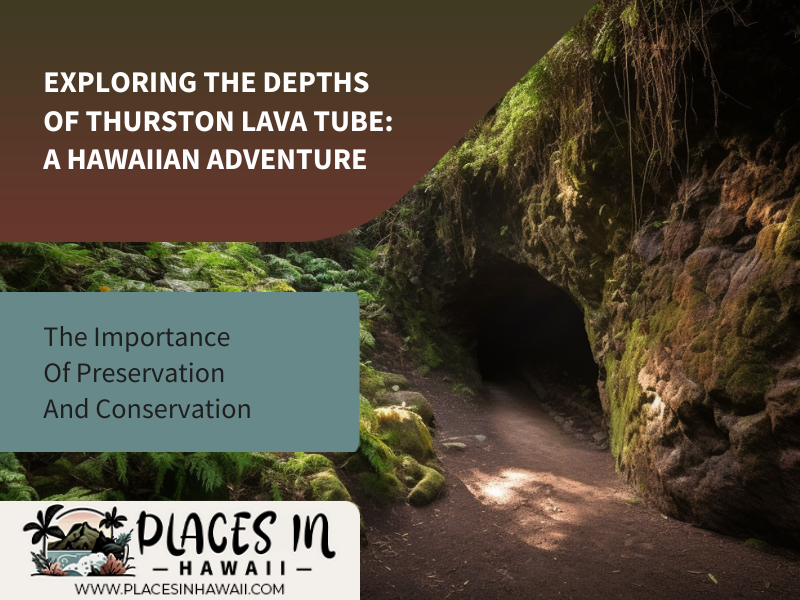
The Importance Of Preservation And Conservation
Imagine a world where natural wonders are left to erode and decay, their secrets untold and their beauty unappreciated. This allegory reflects the importance of preservation and conservation in maintaining the splendor of places like Thurston Lava Tube. Delving into this unique subterranean environment allows visitors to marvel at nature's power while also raising awareness about the need to protect such sites for future generations.
Preservation benefits not only the natural environment but also tourism and local communities. By maintaining the integrity of these geological formations, visitors can experience firsthand the awe-inspiring beauty that can only be found in such locations. However, conservation challenges arise when balancing accessibility with protection. Ensuring that these precious resources remain pristine requires careful management and cooperation among stakeholders, including government agencies, nonprofit organizations, and individuals. Education plays a critical role in fostering an appreciation for these sites' significance and encouraging responsible exploration that minimizes environmental impact.
The efforts made to preserve Thurston Lava Tube demonstrate how essential conservation is in safeguarding natural treasures for posterity. As more people become aware of the need to care for Earth's wonders responsibly, it is anticipated that enthusiasm will grow for preserving other unique ecosystems around the world. This sense of stewardship is integral to ensuring that future generations can continue to be inspired by nature's incredible creations. With this newfound appreciation, readers may now delve deeper into understanding the role of Thurston Lava Tube within Hawaiian culture.

The Role Of Thurston Lava Tube In Hawaiian Culture
Thurston Lava Tube, known as Nāhuku in the Hawaiian language, holds a significant place within the cultural heritage of native Hawaiians. Steeped in ancient folklore and traditions, this impressive geological formation serves as an important link to the past for residents and visitors alike. Lava tube legends abound, with tales of ancient gods and goddesses residing within the caverns or using them as pathways to traverse the islands.
The cultural significance of Thurston Lava Tube is evident through various aspects, including:
- The presence of petroglyphs dating back hundreds of years
- Traditional stories connecting the lava tube to deities such as Pele, the volcano goddess
- The use of lava tubes for shelter by early Polynesian settlers and, later, Hawaiians
- Spiritual ceremonies performed within Nāhuku by native practitioners
- Its role in inspiring local art, poetry, and music that reflects on the beauty and mystique of these natural formations
Exploring Thurston Lava Tube provides an opportunity to delve into Hawaii's rich cultural history. Visitors can not only marvel at its geological features but also appreciate its deeper connections to centuries-old customs and beliefs. This makes a visit to this exceptional site a multi-layered experience that transcends time, leaving one with a sense of awe and respect for both nature and indigenous culture.
With an understanding of Nāhuku's importance in Hawaiian culture, it becomes clear that a visit to this magnificent lava tube offers more than just physical exploration. Embracing its historical significance allows tourists to embark on a journey through time while remaining rooted in present-day wonderment. Next on this incredible adventure awaits nearby attractions nestled within Volcanoes National Park, each offering unique glimpses into Hawaii's geological wonders and enchanting lore.
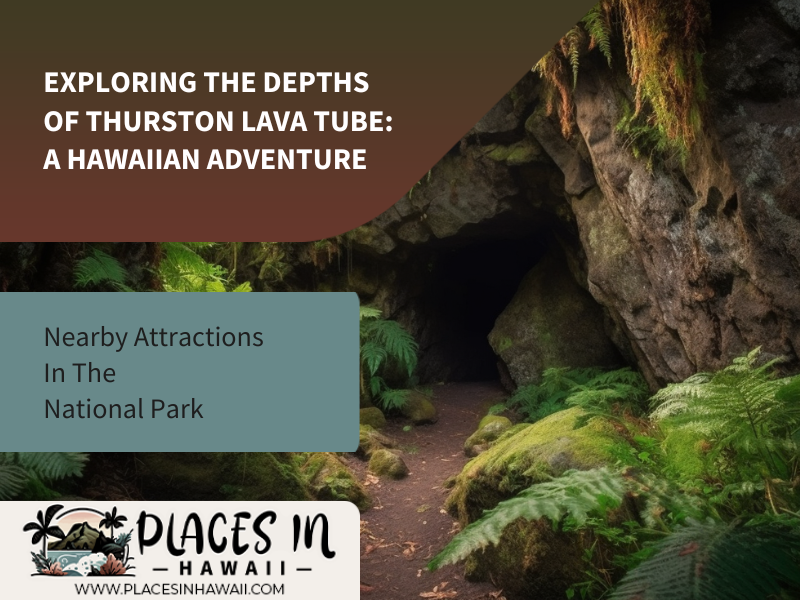
Nearby Attractions In The National Park
Having delved into the significance of Thurston Lava Tube in Hawaiian culture, it is worth exploring other nearby attractions within the Hawaii Volcanoes National Park. The park offers an array of activities and sights that cater to various interests, ranging from awe-inspiring volcanic landscapes to captivating native flora and fauna. By immersing oneself in these diverse attractions, one can further appreciate the intricate relationship between nature and local cultural heritage.
Lava tube geology enthusiasts will find themselves enthralled by the numerous geological formations scattered across the park. A notable feature is Kīlauea Caldera, a massive volcanic crater filled with steam vents and sulfur banks that offer a visual representation of the Earth's immense power. For those interested in witnessing active lava flows firsthand, venturing toward Kīlauea Iki Crater or Pu'u O'o Vent may satisfy their craving for adventure. Additionally, Mauna Loa, the world's largest volcano by volume, stands majestically within the park boundaries, providing opportunities for challenging hikes and panoramic vistas.
National Park Activities extend beyond geology alone; nature lovers can embark on various trails that showcase the unique biodiversity found only in this region. The Kīpukapuaulu Bird Park Trail allows visitors to encounter native bird species, such as 'apapane and ʻelepaio, amidst lush rainforests, while those seeking a peaceful stroll may prefer traversing Devastation Trail an aptly named path that meanders through a stark landscape of cinder outfall from a 1959 eruption. This juxtaposition of destruction and life serves as a testament to nature's resilience a fitting endnote before proceeding to learn more about guided tours and educational opportunities available within Hawaii Volcanoes National Park.
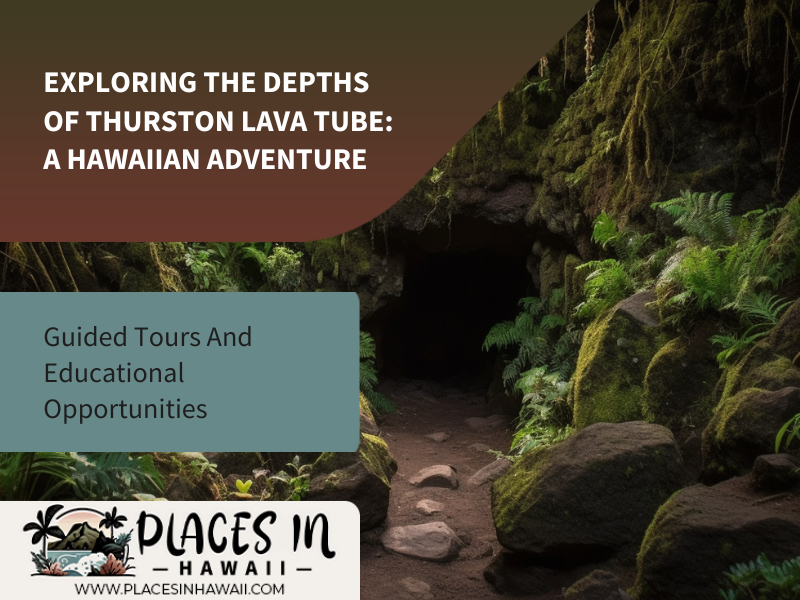
Guided Tours And Educational Opportunities
One of the most enriching ways to explore the Thurston Lava Tube is by participating in guided tours and educational programs. These activities provide visitors with an invaluable opportunity to delve deeper into the fascinating aspects of lava tube geology and volcanic ecosystems. Knowledgeable guides, often experts in their field, lead these excursions and impart a wealth of information on the unique geological formations, volcanic history, as well as the cultural significance that these natural wonders hold for the people of Hawaii.
Several organizations offer a variety of tour options catering to different interests and levels of experience. Some focus on exploring the lava tube's magnificent interior, while others emphasize the surrounding landscape and its connection to Hawaiian culture. Regardless of one's preference, participants are guaranteed an unforgettable experience that will leave them with a newfound appreciation for this incredible natural phenomenon. Furthermore, engaging in such educational opportunities not only satisfies one's curiosity but also fosters a sense of connection to this awe-inspiring environment.
Beyond immersing oneself in the captivating world of lava tubes and volcanic ecosystems, visitors can also take advantage of numerous educational resources available within Hawaii Volcanoes National Park. These offerings include informative exhibits at visitor centers, ranger-led talks, and demonstrations, as well as various publications detailing the park's geology, flora, fauna, and cultural history. Guests, armed with this knowledge, are better equipped to fully appreciate their surroundings as they venture forth into other areas within the park. Next awaits an exploration of the diverse flora and fauna surrounding the lava tube, which will further enhance one's appreciation for this unique destination.
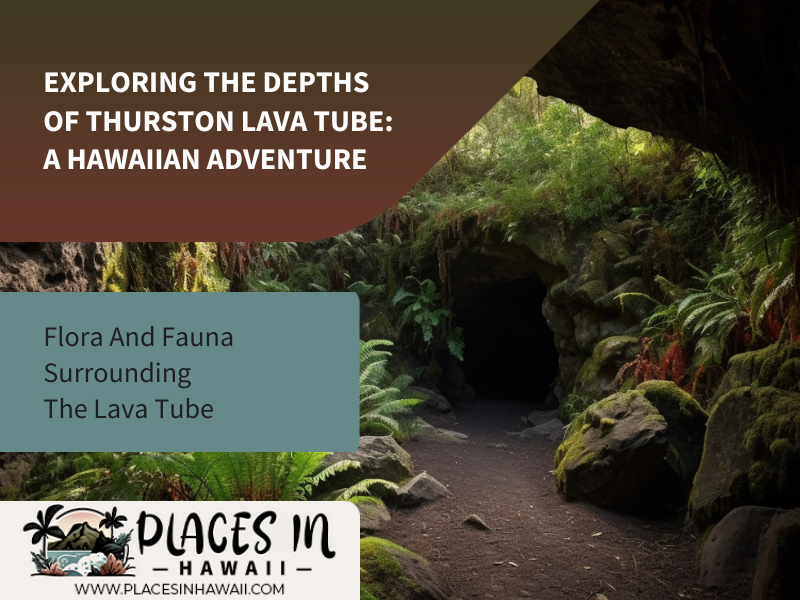
Flora And Fauna Surrounding The Lava Tube
As the sun casts its golden rays over the lush landscape, a vibrant tapestry of flora and fauna unfolds around Thurston Lava Tube. This picturesque setting is home to unique ecosystems, offering a glimpse into the extraordinary biodiversity that thrives on the Hawaiian Islands. The verdant rainforest surrounding the lava tube boasts an array of native species, from towering tree ferns to delicate orchids; each plant contributes to a thriving environment where life flourishes against the stark backdrop of volcanic rock.
The rich diversity of flora in this area provides shelter and sustenance for countless wildlife species. Among them are native birds, such as the scarlet ʻiʻiwi with its curved beak for sipping nectar from flowers or the elusive Hawaiian honeycreeper, which flutters through the canopies in search of insects. Even smaller creatures play vital roles within these ecosystems intricate webs spun by endemic happy-face spiders glisten in dappled sunlight as they patiently await their prey. The interdependence between plants and animals is palpable in this haven bursting with life.
Visitors to Thurston Lava Tube will find themselves immersed not only in geological history but also surrounded by captivating natural beauty. The experience offers a unique opportunity to witness firsthand how life adapts and perseveres despite seemingly inhospitable conditions. As one leaves this enchanting world behind, there is no doubt that memories of vibrant hues, sweet scents, and melodious bird songs will linger long after departing from this extraordinary location. With camera in hand, it's time to delve into capturing these unforgettable moments while maintaining respect for both nature and fellow adventurers.

Capturing The Experience: Photography Tips
Navigating the dimly lit depths of Thurston Lava Tube presents a unique challenge for photography enthusiasts. The underground environment requires specialized knowledge and equipment to effectively capture its otherworldly beauty. A mastery of lava lighting techniques and underground photography skills will ensure that images taken within this geological marvel are both visually stunning and respectful of the experience shared by fellow explorers.
It is essential to understand the intricacies of low-light conditions in subterranean settings to achieve optimal results. Adjusting camera settings, such as ISO, aperture, and shutter speed, can significantly improve image quality in an environment where natural light is scarce. Utilizing a tripod to stabilize the camera during long exposures is also highly recommended, as this allows for sharper images while minimizing disruption to other visitors. Furthermore, implementing off-camera flash or LED lights can enhance lava lighting techniques by illuminating unique textures and details within the tube's walls.
In addition to technical proficiency, practicing proper etiquette when capturing these awe-inspiring scenes ensures a harmonious experience for all who venture into the lava tube. Being mindful of one's surroundings is crucial refraining from obstructing pathways or disturbing delicate rock formations demonstrates respect for both nature and fellow adventurers. By combining a keen understanding of underground photography with an unwavering commitment to preserving this extraordinary landscape, photographers can create lasting memories that embody the spirit of freedom inherent in exploring uncharted territories.
Frequently Asked Questions
What Types Of Clothing And Footwear Are Recommended For Exploring The Thurston Lava Tube?
Venturing into the subterranean realm of Thurston Lava Tube, one must be armed with suitable attire to conquer the geological marvel that lies beneath. In light of the lava tube temperatures, which can range from 50F to 70F (10C to 21C) depending on the location and season, it is advisable for explorers to wear lightweight layers and moisture-wicking materials in order to maintain a comfortable body temperature. Proper hydration should not be overlooked, as the relative humidity inside lava tubes can reach up to 100%, making it essential for visitors to carry a sufficient amount of water throughout their journey. Sturdy footwear with adequate traction is paramount for navigating the uneven terrain and slippery surfaces encountered within these volcanic passages. By appropriately equipping themselves with such garments and essentials, adventurers can fully immerse themselves in the awe-inspiring experience of delving into an ancient world carved by formidable forces of nature while safeguarding their comfort and well-being.
Are There Any Age Or Physical Ability Restrictions For Visitors Who Wish To Explore The Lava Tube?
Age limitations and accessibility concerns are relatively minimal for visitors who wish to explore the Thurston Lava Tube, making it an enjoyable adventure for a diverse range of individuals. Although there are no specific age restrictions imposed, it is essential that participants possess a reasonable level of physical fitness and mobility, as navigating the uneven terrain and occasional low ceilings may prove challenging for some. Families with young children, elderly individuals, and those with limited mobility can still take pleasure in this unique experience by exercising caution and traversing at a comfortable pace. By acknowledging these factors, the enchanting depths of the lava tube can be safely explored by all those yearning to embrace the freedom found within its subterranean wonders.
Can The Lava Tube Be Visited During All Seasons And Weather Conditions, Or Are There Specific Times When It Is Best To Visit?
Seasonal considerations and weather impacts play a crucial role in determining the ideal time to visit the Thurston Lava Tube. This geological marvel can be explored throughout the year; however, the best time to visit is during the drier months of April to October, as heavy rainfall in other months may cause slippery conditions within the tube. Moreover, excessive rain could potentially lead to temporary closures for safety reasons. Despite these weather-related challenges, intrepid explorers seeking an unparalleled sense of freedom and adventure can still embark on this remarkable journey into the depths of a volcanic formation, immersing themselves in Hawaii's unique natural beauty and geological history.
Are There Any Unique Or Rare Species Of Plants Or Animals That Can Be Found Specifically Within The Thurston Lava Tube?
Delving into the enigmatic realm of the Thurston Lava Tube, one cannot help but be captivated by the symbiosis between darkness and life as they witness the unique lava tube ecosystem thriving within. Amidst shadows and whispers of ancient volcanic eruptions, rare species of plants and animals have carved out their niche, showcasing incredible adaptations that allow them to prosper in these otherworldly environments. As visitors traverse the dimly lit passages, they may encounter endemic Hawaiian species, such as the blind cave spider, or glimpse delicate ferns clinging to crevices on basaltic walls. The subterranean world of the Thurston Lava Tube serves as a testament to nature's resilience and creativity, offering an awe-inspiring glimpse into an otherwise hidden corner of our planet's rich biodiversity.
Can Visitors Bring Their Own Flashlights Or Headlamps For Exploring The Darker Areas Of The Lava Tube, Or Are There Specific Light Sources Provided On Site?
In the interest of lava tube safety, visitors are encouraged to bring their own flashlights or headlamps when exploring the darker areas of the Thurston Lava Tube. While some guided tours may provide light sources on site, it is prudent for adventurers to be prepared with their own illumination devices to ensure a safe and enjoyable experience. The freedom to independently navigate the subterranean wonders heightens the sense of discovery for those who embark on this unique Hawaiian adventure as they delve into the geological marvels that lie within these volcanic formations.
Conclusion
In conclusion, the exploration of Thurston Lava Tube offers an unforgettable experience for visitors of varying ages and physical abilities. Appropriate clothing and footwear, coupled with consideration for seasonal weather conditions, will ensure a safe and enjoyable adventure. The awe-inspiring geological features are further enhanced by the presence of unique flora and fauna found exclusively within this subterranean ecosystem.
Moreover, the provision of adequate lighting sources, either through personal equipment or on-site facilities, enables an immersive journey into the depths of this natural wonder. As visitors traverse through the lava tube, they will be captivated by the stark juxtaposition between darkness and illumination a testament to the power of nature's sculpting hand in creating such a fascinating environment.
What To Do Next
Dive deeper into Hawaii's underground wonders by visiting the Kazumura Cave. Learn more about the world's longest lava tube and unlock its secrets on our page.
Uncover the hidden gem of Kaumana Caves during your Hawaiian vacation. Check out our page for more insights and resources to unearth the mysteries of this island treasure.