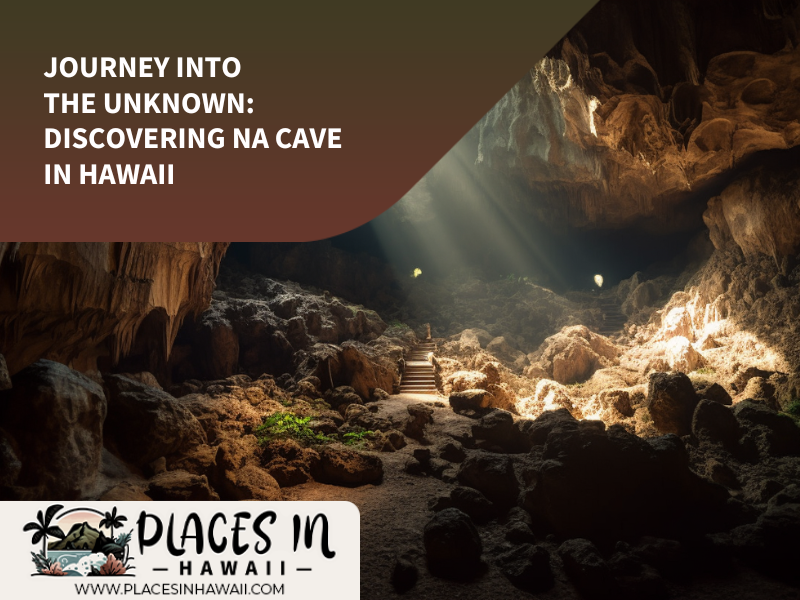
Deep within the lush, verdant landscapes of Hawaii lies a hidden gem waiting to be discovered by intrepid explorers and cave enthusiasts alike. Na Cave, an awe-inspiring subterranean marvel, offers a tantalizing glimpse into the mysteries that dwell beneath the island's picturesque surface. This article will delve into the captivating journey of uncovering the secrets of Na Cave and illuminate why this remarkable destination should be on every adventurer's bucket list.
The exploration of this enigmatic cave is a testament to humankind's innate desire for freedom and for venturing into uncharted territories. With each step taken in the dimly lit caverns, one cannot help but marvel at the geological wonders formed over eons and feel an overwhelming sense of connection with Earth's primordial past. As we embark on this journey through Na Cave, readers will gain invaluable insights into its formation, ecology, and cultural significance while tapping into their own inherent thirst for discovery and liberation from life's mundane confines.
Key Takeaway
This article delves into the mystical Na Cave in Hawaii, exploring its unique geological features, ecosystem, and cultural significance. Readers will learn about the formation of Na Cave, the legends surrounding it, and the importance of conservation efforts in preserving this natural wonder. The article also highlights safety precautions for explorers, guided tours and expeditions, and the impact of tourism on the site. Furthermore, it presents future research opportunities and other hidden gems in Hawaii for those interested in discovering more of the region's beauty.
Recommended Action
Don't forget to explore our comprehensive caves page for more exciting information and tips to plan your unforgettable Hawaiian getaway.
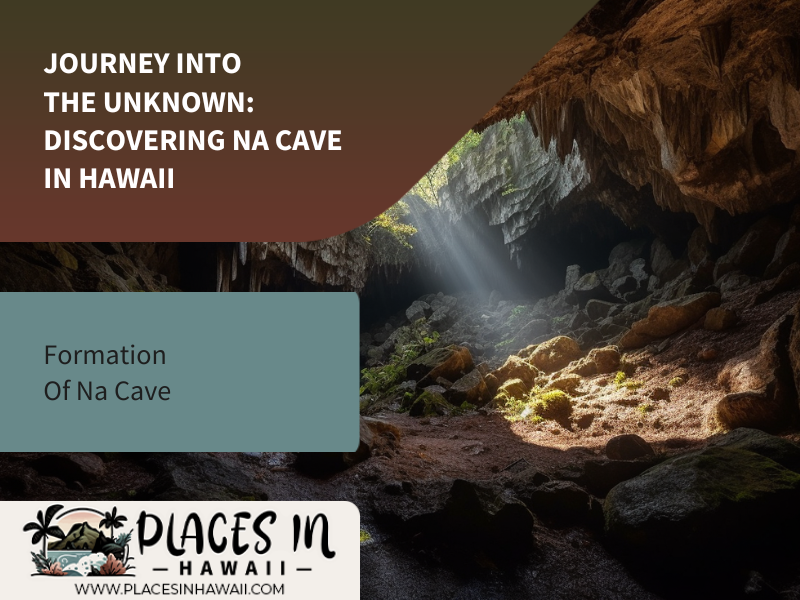
Formation Of Na Cave
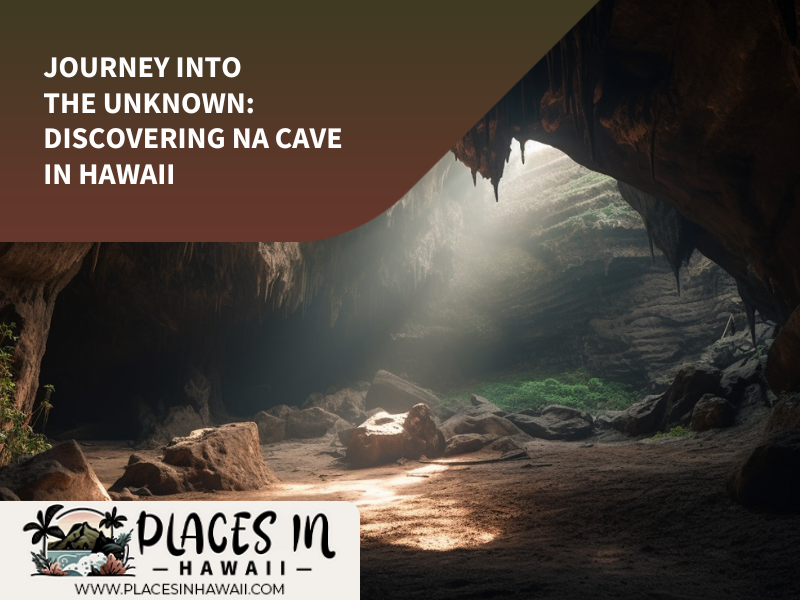
Deep within the verdant forests of Hawaii lies a hidden marvel, a subterranean treasure waiting to be discovered. Its formation remains shrouded in mystery the forces that carved this enigmatic passageway continue to baffle even the most seasoned geologists. The cave in question is none other than Na Cave, a living testament to the dynamic and ever-changing nature of Earth's geological processes.
The formation of Na Cave is attributed to one of the most intriguing natural phenomena: lava tube creation. As molten lava flows down toward lower ground during volcanic eruptions, its surface comes into contact with cool air and solidifies into a crust. This process sets off an insulating effect, allowing the lava beneath to remain hot and fluid as it continues its journey downward. Over time, the flowing lava drains out entirely, leaving behind an empty tunnel whose walls bear witness to its fiery past. Thus emerges a magnificent labyrinthine structure concealed beneath the lush Hawaiian landscape.
In addition to being an exemplar of subterranean beauty, Na Cave boasts numerous geological features and wonders that showcase its unique history. From the entrancing mineral deposits that adorn its walls to the peculiar formations sculpted by millennia of erosion, each element serves as a tangible remnant of the cave's extraordinary past. A visit to Na Cave promises not only an unforgettable adventure but also valuable insights into Earth's fascinating geological tapestry insights that will undoubtedly be explored further in subsequent sections delving deeper into these captivating features.
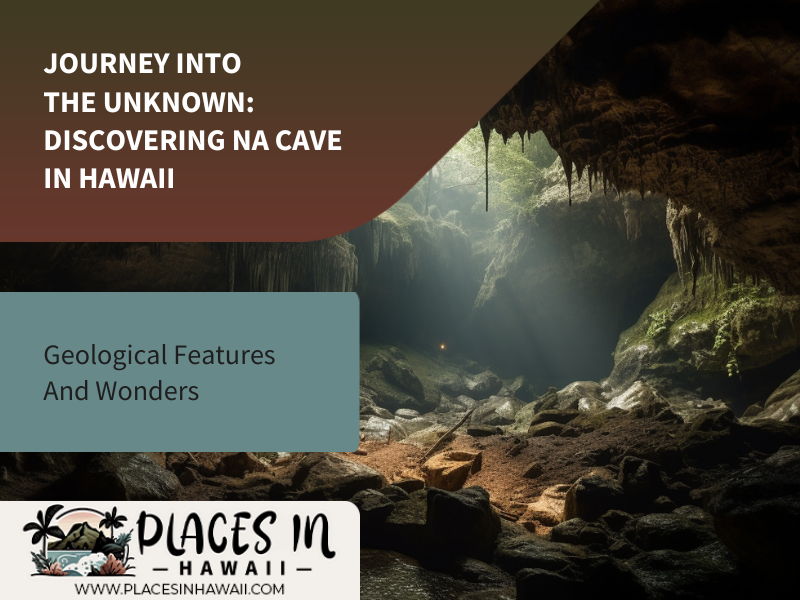
Geological Features And Wonders
The Hawaiian cave system, created by volcanic activity, presents a myriad of geological features and wonders that captivate the minds of explorers and scientists alike. Volcanic formations within the caves are characterized by intricate patterns resulting from lava flows and cooled magma, offering fascinating insights into the Earth's dynamic processes. Crystal growth is another aspect that adds to the allure of these subterranean chambers, with mineral deposits forming over thousands of years to create stunning displays of natural art.
Some key features found in this cave system include:
- Lava Tubes: Formed as lava flows through channels beneath the Earth's surface
- Stalactites And Stalagmites: Caused by mineral-rich water dripping from the cave ceiling or floor
Created when stalactites and stalagmites merge together - Helictites: Delicate, twisted crystal structures growing from cave walls or ceilings
As one delves deeper into these hidden realms, it becomes apparent that caves represent an interplay between various geological forces working in harmony to sculpt their surroundings. From the slow drips of mineral-rich water to the swift movement of molten rock, each element contributes to a complex tableau that speaks volumes about our planet's history. This captivating environment serves as a testament to Mother Nature's boundless creativity while simultaneously providing an escape from everyday confinement a sanctuary where one can reconnect with their innermost desire for freedom.
Upon further exploration, it becomes evident that not only do these caves exhibit remarkable geological features, but they also harbor a unique ecosystem within them. The delicate balance between life and its surroundings in this subterranean world offers yet another dimension for adventurers to uncover as they continue their extraordinary journey into the unknown.
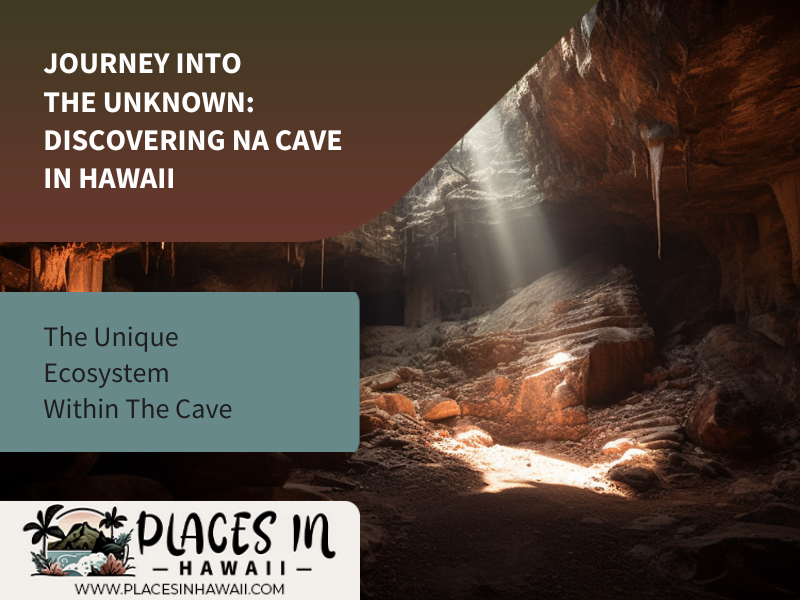
The Unique Ecosystem Within The Cave
Ecosystem preservation plays a vital role in maintaining the delicate balance of life within caves. The subterranean environment of a Hawaiian cave offers an incredible opportunity for biodiversity exploration. Within the confines of these caves, numerous species have evolved unique adaptations to survive and thrive in complete darkness, limited nutrient availability, and fluctuating temperature and humidity conditions.
Investigating this distinctive ecosystem presents a glimpse into an isolated world that remains largely undisturbed by human influence. Remarkably, many cave-dwelling organisms are endemic to their specific location and cannot be found anywhere else on Earth. These specialized species include troglobites, which spend their entire lives in the dark recesses of caves; troglophiles, which can live both inside and outside the subterranean realm; and trogloxenes, which use caves as temporary habitats or shelters but do not exclusively depend on them for survival. The study of these organisms provides valuable insights into evolutionary processes occurring in extreme environments.
As explorers delve deeper into these enigmatic caverns, they simultaneously uncover the rich tapestry of life that exists beneath the surface. Each discovery contributes to a greater understanding of how ecosystems function beyond the reach of sunlight while also emphasizing the importance of preserving such habitats for future generations. With each step taken further into these mysterious realms comes an increased appreciation for nature's resilience and adaptability, fostering a sense of wonder that fuels the desire for freedom in those who venture forth into uncharted territories. This unparalleled perspective on biodiversity serves as a gateway to understanding not only what lies beneath our feet but also what connects us all from cultural significance to ancient legends that permeate through time itself.
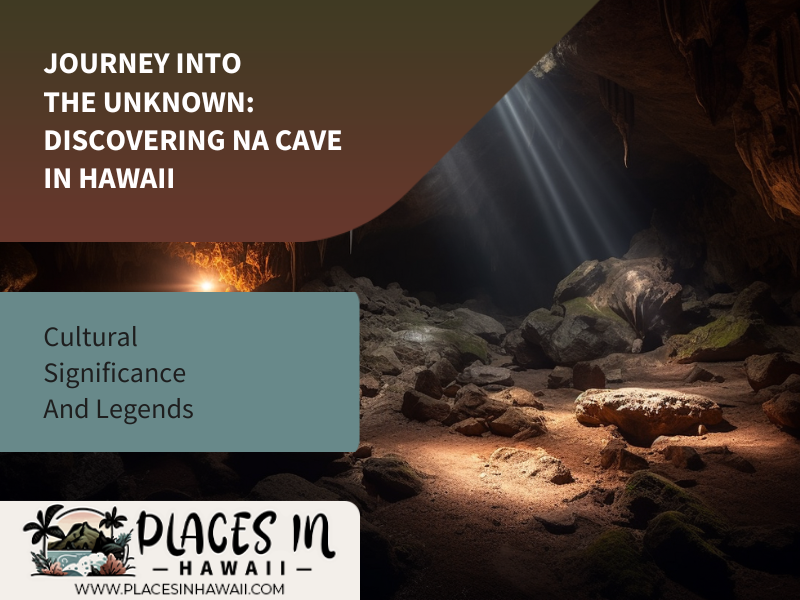
Cultural Significance And Legends
The exploration of caves in Hawaii holds a unique place in the hearts and minds of native Hawaiians, as these subterranean landscapes are deeply embedded within the cultural history and folklore of the islands. Ancient rituals performed within the shadowy confines of these caves served to connect communities with their ancestors, deities, and the natural world. Indeed, numerous legends have been passed down through generations, perpetuating an air of mystery and reverence for these hidden realms.
Within Hawaiian mythology, caves often serve as portals to other worlds, inhabited by gods or supernatural beings who wield immense power over the elements. For instance, some stories tell of Pele, the goddess of fire and volcanoes, residing within a fiery cavern beneath Kilauea Volcano. The presence of such mystical beliefs regarding cave-dwelling deities has led to a plethora of rituals conducted within these spaces, ranging from offerings to petitions for protection or favor from powerful entities to ceremonies that seek harmony between humans and nature's forces.
As spelunkers delve into these subterranean chambers in search of adventure and enlightenment, it is essential not to overlook the cultural significance that they hold for native Hawaiians. Respect for traditions and customs must be maintained while exploring these geological wonders; after all, one never knows when they might inadvertently disturb a sacred site or awaken an ancient deity. With this sense of awe and responsibility in mind, it becomes even more vital for explorers venturing into Hawaii's caves to prioritize safety measures during their underground expeditions.
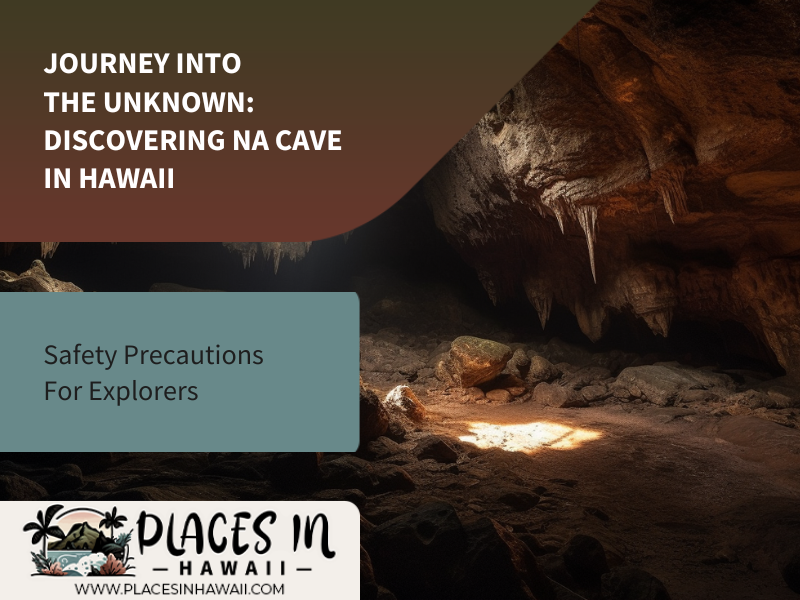
Safety Precautions For Explorers
While the cultural significance and legends surrounding Hawaiian caves are undoubtedly intriguing, it is imperative for cave explorers to prioritize safety when embarking on their journey into the unknown. The awe-inspiring beauty of these underground realms may conceal potential hazards, making it crucial for adventurers to adequately prepare before setting out. In this section, we will discuss some essential safety precautions for explorers venturing into Hawaiian caves.
Cave exploration tips can be divided into several categories, including physical preparedness, knowledge acquisition, and equipment procurement. As caves are often physically demanding environments, aspiring explorers should ensure they are in good health and possess a reasonable level of fitness before undertaking any caving expedition. Researching the specific cave beforehand and familiarizing oneself with its layout and potential dangers is also vital to a safe exploration experience. Additionally, obtaining accurate maps of the cave system can greatly aid in navigation and prevent disorientation or even entrapment within its labyrinthine passageways.
Protective gear essentials play a significant role in maintaining safety during cave exploration. A sturdy helmet equipped with a reliable headlamp is indispensable for providing illumination while shielding one's head from unexpected impacts or falling debris. Furthermore, appropriate footwear with excellent grip is necessary for traversing slippery or uneven surfaces commonly found within caves. Other essential items include gloves for hand protection, kneepads to guard against abrasions during crawling sections, and suitable clothing that provides warmth and moisture-wicking properties in damp subterranean climates. Equipped with these precautions in mind, adventurers can confidently embark on their journey through Hawaii's hidden underground wonders while ensuring their well-being remains intact throughout the experience.
As thrilling as it may be to explore these mysterious caverns independently, many individuals find solace in joining guided tours and expeditions led by experienced professionals who possess extensive knowledge of local caves' intricacies and hazards, thus allowing them to safely guide groups through these fascinating geological formations.
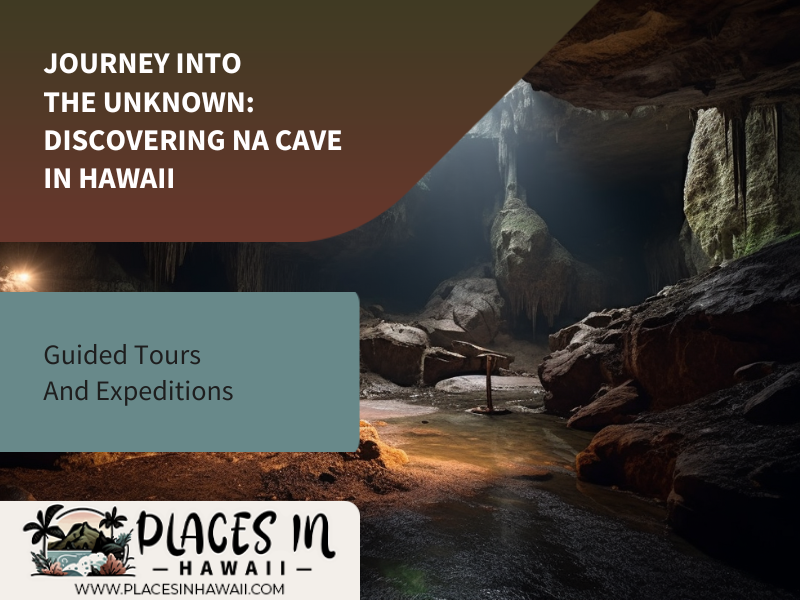
Guided Tours And Expeditions
Peering into the abyss of Na's cave, one cannot help but feel a sense of wonder akin to gazing at the cosmos. Just as stargazers seek guidance through constellations, so, too, must explorers embarking on an adventure within a cave enlist the expertise of experienced guides and expeditions. By joining such guided tours, adventurers can navigate the intricate subterranean labyrinth safely while gaining valuable insights into the geological formations and biodiversity that lie beneath Hawaii's volcanic terrain.
Guided Tours
- Comprehensive safety briefings and equipment checks
- Expert guidance in maneuvering through tight spaces and identifying noteworthy features
Expeditions
- Multi-day immersive experiences with seasoned spelunkers
- Workshops covering topics such as cave photography techniques and spelunking essentials
As participants delve deeper into this veritable treasure trove of geological wonders, they gain not only a greater understanding of their surroundings but also a newfound appreciation for their own capabilities. The thrill of exploration is palpable each twist and turn ignites an insatiable curiosity to uncover more hidden marvels. With every echo that reverberates through the cavernous chambers, a symphony unfolds, awakening in its audience an unquenchable thirst for freedom.
This metamorphic journey, ultimately, culminates in profound personal growth for all who venture forth into the cave's depths. Yet, it is essential to recognize that this natural wonder does not exist in isolation; rather, it is intrinsically intertwined with broader considerations surrounding environmental conservation and responsible tourism practices. As we transition our focus toward examining the impact of tourism on the cave, let us remain mindful of our shared responsibility to preserve these fragile ecosystems for generations to come.
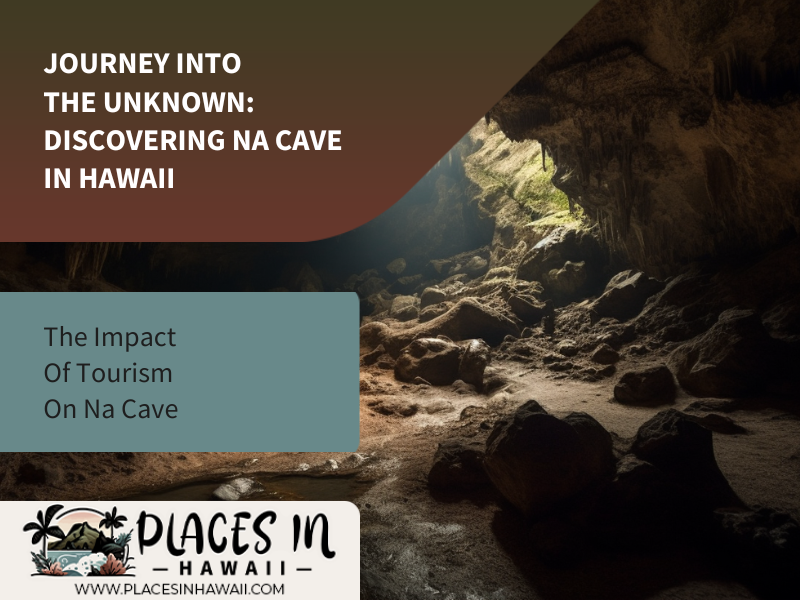
The Impact Of Tourism On Na Cave
The exploration of Na Cave offers a unique glimpse into one of the most mysterious and remarkable environments on Earth. However, the influx of tourists has had an undeniable impact on the cave's delicate ecosystem. The sheer number of visitors has caused significant degradation of the cave's fragile environment, forcing wildlife out of their natural habitats and disturbing the surrounding ecological balance. In addition, the influx of tourists has also had a direct economic impact. Tourism has created jobs in the local economy and increased revenue for the area, although this has also caused an increase in prices and the exploitation of local resources. Finally, tourism has had a significant cultural impact, with the influx of visitors changing the perception of the cave as well as its cultural significance and impact on the local community.
Environmental Impact
Imagine stepping into the cool, dark expanse of Na Cave in Hawaii. The enchanting beauty of this natural wonder is gradually revealed as one ventures deeper into the cave system. However, as more and more tourists are drawn to explore its mysterious depths, concerns regarding the environmental impact of these activities arise. Climate change effects on the delicate ecosystem within the cave and the surrounding areas must be considered to ensure sustainable exploration for generations to come.
As a cave exploration writer documenting this journey into the unknown, it is crucial to emphasize that while caving can provide an exhilarating sense of adventure, it is also our responsibility to protect and preserve these fragile environments. Visitors should be educated on how their actions can inadvertently introduce foreign substances or cause damage to delicate formations within Na Cave. Furthermore, local authorities and tour operators must develop strategies for monitoring visitor numbers and regulating access in order to minimize negative impacts on this unique ecosystem.
In engaging with an audience that yearns for freedom, it is important not only to inspire them with tales of thrilling spelunking adventures but also to instill in them a deep respect for nature's wonders. By promoting responsible and sustainable exploration practices, we can ensure that future generations will have the opportunity to experience Na Cave's extraordinary beauty while preserving its delicate balance for years to come. Thus, through a combination of education, regulation, and adherence to best practices in caving ethics, we can create a harmonious relationship between human curiosity and environmental preservation within Na Cave.
Economic Impact
The allure of Na Cave has inevitably drawn the attention of investors, with cave investments seen as a potentially lucrative opportunity for fostering economic growth in the region. As tourism continues to surge, it becomes crucial to examine the economic impact of these activities on both the local community and the environment. By adopting a sustainable development approach, stakeholders can ensure that financial gains from increased visitation do not come at the expense of Na Cave's delicate ecosystem.
As an exploration writer delving into the depths of Na Cave, it is imperative to convey not only its breathtaking beauty but also its potential as a source of income and employment for local residents. The increase in demand for guided tours, accommodations, and other related services can provide a significant boost to the regional economy. However, striking a balance between capitalizing on this burgeoning industry and preserving the cave's natural splendor requires careful planning and consideration.
In order to achieve this equilibrium, it is vital that stakeholders collaborate on implementing sustainable development strategies that prioritize long-term ecological preservation over short-term financial gains. This includes measures such as limiting visitor numbers, requiring proper training for tour guides, and enforcing strict adherence to best practices in caving ethics. By taking these steps, Na Cave can continue to inspire awe in visitors while simultaneously contributing positively to local livelihoods and securing its own protection for generations to come.
Cultural Impact
In addition to the economic implications, the impact of tourism on Na Cave must also take into account the cultural significance of this natural wonder. As a site steeped in history and imbued with spiritual meaning, it is essential that writers of cave exploration stories highlight the importance of respecting and preserving local customs and traditions. Engaging narratives that delve into the mystical allure of Na Cave can satisfy readers' innate yearning for freedom while simultaneously fostering an appreciation for the cultural heritage associated with this remarkable subterranean world.
Cave ceremonies, for instance, have long played a crucial role in local communities, offering a glimpse into their unique relationship with these enigmatic spaces. Furthermore, ancient artifacts discovered within Na Cave serve as tangible reminders of past civilizations that once inhabited this mesmerizing landscape. Accordingly, it becomes imperative to emphasize responsible visitation practices that safeguard these priceless relics from damage or theft. By doing so, visitors not only contribute to the preservation of Na Cave's natural beauty but also help maintain its cultural legacy for future generations.
In light of these considerations, it becomes clear that sustainable tourism at Na Cave necessitates a multifaceted approach encompassing both ecological preservation and cultural sensitivity. By championing these values in compelling narratives, cave exploration writers hold the power to inspire readers and, ultimately, promote responsible tourism practices that ensure Na Cave remains an enduring testament to humanity's timeless fascination with uncharted realms.
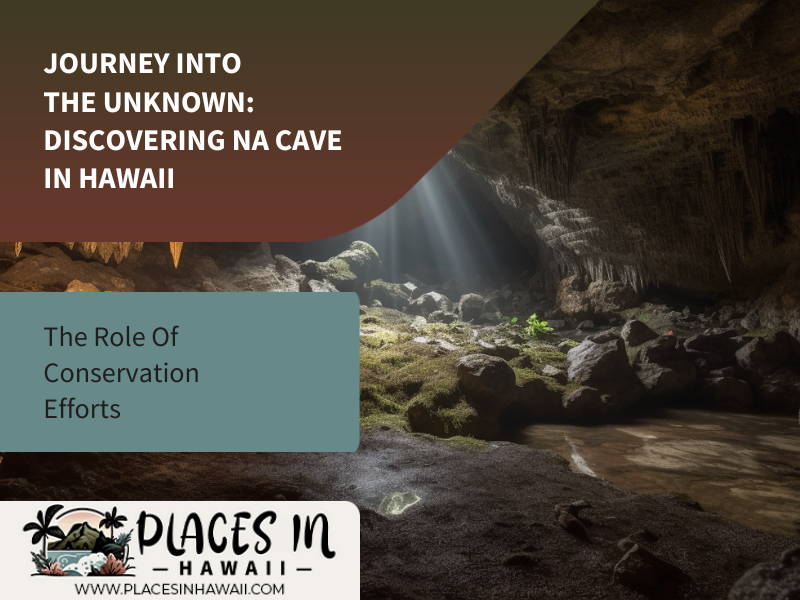
The Role Of Conservation Efforts
While the impact of tourism on Na Cave cannot be understated, it is important to acknowledge the significant role conservation efforts play in preserving and protecting these unique environments. As the exploration of Na Cave continues, understanding the challenges faced in conserving this hidden gem becomes crucial to ensuring its longevity for future generations.
Conservation challenges within Na Cave involve not only mitigating human impacts but also preserving the biodiversity found within this subterranean world. The table below illustrates various components of conservation efforts specific to Na Cave and their respective roles in safeguarding its ecosystem.
| Conservation Component | Role | Example |
|---|---|---|
| Education | Inform visitors about responsible cave exploration practices and the importance of biodiversity preservation | On-site informational displays and guided tours |
| Monitoring | Track changes in cave conditions and species populations to detect potential threats to biodiversity | Periodic surveys of cave-dwelling organisms |
| Restoration | Rehabilitate damaged areas within the cave system and reintroduce native species where necessary | Repairing broken speleothems, removing introduced species |
Awareness campaigns can also be employed as a means to engage visitors, researchers, and local communities in supporting these conservation measures. By educating people about the fragility of cave ecosystems as well as their cultural significance, it is hoped that behaviors can be shifted toward more sustainable practices when exploring hidden marvels like Na Cave. Moreover, fostering a sense of appreciation for such environments may further encourage individuals to actively participate in conservation initiatives aimed at preserving biodiversity.
As efforts continue to strike a balance between allowing access for exploration while maintaining ecological integrity within Na Cave, opportunities arise for future research endeavors that focus on enhancing existing knowledge about this mysterious subterranean world.
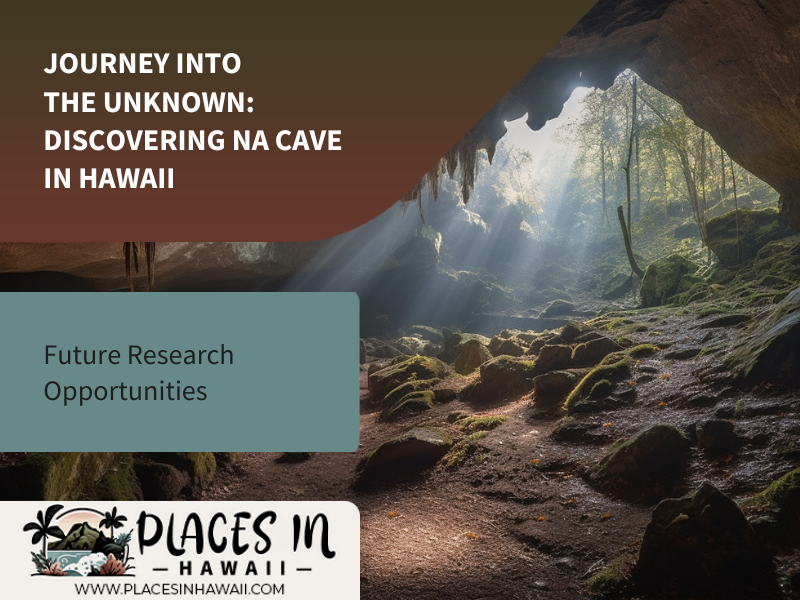
Future Research Opportunities
The recent discovery of this cave in Hawaii has opened up various avenues for future research. One promising area is the advancement and application of cave mapping techniques to further understand the intricate structure and layout of this subterranean wonder. With more precise and accurate mapping data, researchers can gain valuable insights into the geological formations within the cave system as well as predict potential hazards that may be encountered during future explorations.
Another fascinating aspect of this newfound cave lies in its potential for uncovering subterranean biodiversity. The unique environmental conditions present in these underground ecosystems often give rise to distinct flora and fauna not found elsewhere. By studying the biological diversity within this Hawaiian cave, scientists may uncover previously unknown species or gain crucial knowledge about existing organisms' adaptability to such environments. Furthermore, understanding the ecological dynamics at play could contribute significantly to ongoing efforts aimed at the conservation and protection of these fragile habitats.
As interest in this hidden gem continues to grow, it is vital that researchers from various disciplines collaborate to further unravel its mysteries while also ensuring responsible exploration practices are maintained. These findings have far-reaching implications not only for the scientific community but also for those who seek a deeper connection with nature and a sense of freedom through exploring uncharted territories. This spirit of curiosity will undoubtedly fuel ongoing investigations into other hidden gems throughout Hawaii, each offering a glimpse into the marvels that await beneath our feet.
Other Hidden Gems In Hawaii
Apart from the magnificent caves that can be found across the Hawaiian islands, there are numerous other hidden treasures waiting to be discovered. These enchanting island escapes offer a diverse range of experiences from captivating underwater worlds to breathtaking landscapes that will satisfy even the most adventurous souls. As one delves into these uncharted territories, it becomes evident that Hawaii is a treasure trove for those seeking freedom and adventure.
Some of the lesser-known destinations that deserve recognition include:
- The secluded Pololu Valley, offering picturesque views and serene black sand beaches
- The magical Waimea Canyon, known as the "Grand Canyon of the Pacific"
- The mesmerizing Pua'a Ka'a State Wayside Park, featuring cascading waterfalls and lush greenery
Each of these hidden Hawaiian treasures offers an unparalleled opportunity for exploration and discovery. One can imagine traversing through dense forests teeming with exotic flora and fauna, stumbling upon ancient petroglyphs etched into volcanic rocks by early inhabitants, or witnessing the awe-inspiring beauty of a rainbow stretching across a vast canyon. It is in these remote locations that one can truly feel connected to nature and experience a sense of liberation.
As adventurers continue their quest to uncover Hawaii's hidden gems, they are certain to encounter many more captivating sights and unique experiences along the way. With each new discovery comes an appreciation for this enchanting island paradise and its diverse offerings. Whether one seeks solace on a secluded beach or longs to conquer towering cliffsides, Hawaii undoubtedly holds endless possibilities for those yearning for freedom and adventure.
Frequently Asked Questions
How Was Na Cave Named And What Does Its Name Signify In The Hawaiian Language?
The naming of Na Cave holds both cultural importance and symbolic significance in the Hawaiian language, reflecting the rich heritage and deep connection to nature that are evident in the island's history. In Hawaiian, "na" means "many," alluding to the numerous chambers and intricate passageways found within this hidden underground labyrinth. This name emphasizes not only the vastness of Na Cave but also represents a journey into an unexplored realm, providing an enticing sense of adventure for those who value freedom and seek to delve into the mysteries of their surroundings. As such, Na Cave serves as a symbol of exploration and discovery, embodying the spirit of venturing into the unknown while simultaneously paying homage to Hawaii's unique linguistic and cultural traditions.
Are There Any Specific Plants Or Animals That Are Unique To Na Cave And Not Found Elsewhere In Hawaii Or The World?
Venturing into Na Cave is akin to stepping into a hidden world, where time seems to have stood still, and nature has crafted a realm of unparalleled beauty. Unique flora and endemic species flourish within this subterranean sanctuary, painting a vivid picture of evolution and adaptation in action. As one delves deeper into the heart of this labyrinthine haven, it becomes apparent that Na Cave represents more than just an isolated pocket of biodiversity; it embodies the spirit of discovery and freedom that calls out to those who dare to explore the uncharted realms hidden beneath the surface. From fragile ferns clinging to the rocky walls to rare insects scuttling through the shadows, each facet of Na Cave's ecosystem offers a glimpse into an enigmatic world that has remained largely untouched by human hands, serving as both an inspiration for scientific curiosity and a testament to the resilience and tenacity of life in even the most obscure corners of our planet.
Are There Any Notable Historical Events Or Stories Associated With Na Cave, Aside From The Cultural Legends Mentioned In The Article?
Historical explorations of Na Cave have revealed a wealth of information pertaining to the region's past, with cave archaeology playing a crucial role in uncovering the secrets held within its depths. As researchers and adventurers alike delve into the subterranean world, they are met with fascinating remnants of bygone eras, providing glimpses into ancient customs and practices that shaped the local culture. The allure of unearthing long-forgotten histories entices those who seek to liberate themselves from the constraints of modern society, allowing them to experience a sense of freedom as they embark on an exhilarating journey through time and space in this enigmatic underground realm.
What Are The Best Times Of Year To Visit Na Cave In Terms Of Weather Conditions, Accessibility, And Tourist Crowds?
In considering the optimal times for visiting Na Cave, factors such as weather impact and crowd management play significant roles. Generally, the most favorable weather conditions in Hawaii occur during the months of April, May, September, and October, when temperatures are mild and rainfall is relatively low. These periods not only ensure greater accessibility to the cave but also coincide with the off-peak tourist season, resulting in fewer crowds and a more serene exploration experience. As one ventures into the depths of Na Cave, this tranquility allows for an uninhibited embrace of the subterranean world's captivating allure, offering a profound sense of freedom as one delves into the mysteries hidden beneath Earth's surface.
Are There Any Local Organizations, Initiatives, Or Volunteer Opportunities For Visitors Who Want To Contribute To The Preservation And Conservation Efforts Surrounding Na Cave?
In the realm of cave preservation and conservation, several local organizations and initiatives offer opportunities for visitors to partake in volunteer experiences aimed at safeguarding the natural wonders of Na Cave. Engaging in such activities allows individuals to delve deeper into the subterranean world while fostering a sense of stewardship toward these geological treasures. By adhering to cave preservation tips, such as minimizing physical contact with formations and practicing responsible waste disposal, volunteers contribute significantly to maintaining the pristine conditions of these hidden ecosystems. As participants immerse themselves in these collaborative efforts, they not only satisfy their subconscious desire for freedom but also play a crucial role in preserving the awe-inspiring beauty of Na's Cave for future generations.
Conclusion
In conclusion, Na Cave holds a significant cultural value to the Hawaiian people as well as boasting unique flora and fauna. The cave's rich history and environmental significance warrant further exploration and preservation efforts by both locals and visitors alike. As one delves deeper into the enigmatic abyss of Na Cave, mysteries continue to unfold, alluding to the untold stories that lie within its depths.
The ideal time to embark on this fascinating journey remains debatable; however, considering factors such as weather conditions, accessibility, and tourist crowds will undoubtedly enhance the experience for intrepid explorers. By engaging in local organizations and conservation initiatives surrounding Na Cave, adventurers can not only contribute to protecting this natural wonder but also gain an enriched understanding of the cave itself. Thus, the allure of Na Cave continues to captivate those who venture into its unknown realms a voyage that transcends mere sightseeing and delves into an extraordinary realm of discovery.
What To Do Next
Want to discover another hidden gem? Be sure to visit our Kaumana Caves page for an in-depth look into this mysterious island treasure.
Looking for more underground adventures? Check out our Kula Kai Caverns page to explore a fascinating subterranean wonderland in Hawaii.