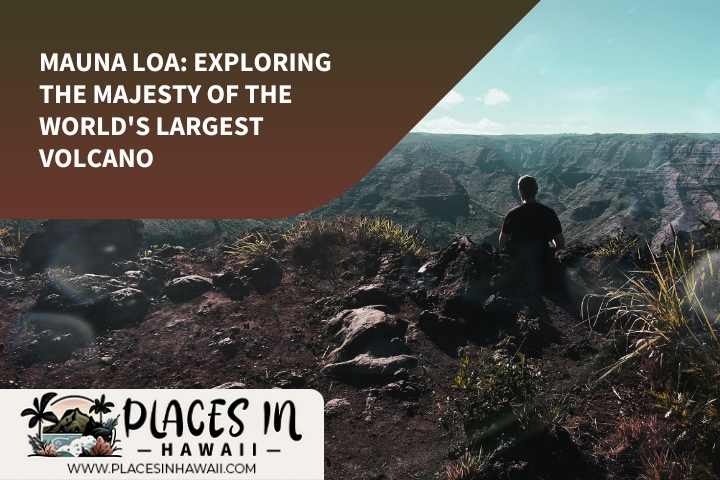

Mauna Loa is the largest volcano in the world, and its majesty has captivated explorers and adventurers for centuries. Its awe-inspiring sight has been described as "an experience like no other," with its summit reaching heights of over 13,000 feet above sea level. As one of the most active volcanoes on earth, it's no surprise that Mauna Loa continues to draw researchers and thrill-seekers alike.
This article will explore Mauna Loa in greater detail. Through research and firsthand accounts, we'll uncover the secrets behind this powerful mountain and discover why it's become a symbol of freedom for so many people across the globe. From its history to its current state of activity, we'll unpack all aspects of Mauna Loa and learn why it remains both an incredible scientific wonder and a source of hope for those seeking liberation from their everyday lives.
So come along with us as we take an in-depth look at this fascinating volcano! We'll discuss its geology, geography, and culture and get an up-close glimpse into what makes Mauna Loa such an amazing phenomenon.
Key Takeaway
Mauna Loa, the world's largest volcano, offers a fascinating glimpse into the geological, ecological, and cultural aspects of Hawaii. Its immense size, eruptive history, and unique landscape draw visitors from around the world, while the local culture and customs provide a rich experience for travelers. The volcano is not only a popular destination for recreational activities, such as hiking and stargazing, but it also serves as a vital habitat for diverse flora and fauna. Conservation efforts are in place to protect this natural wonder and ensure future generations can continue to explore its majesty.
Recommended Action
Don't miss out on our comprehensive guide to volcanoes for everything you need to know when planning your Hawaiian getaway.
Location And Size
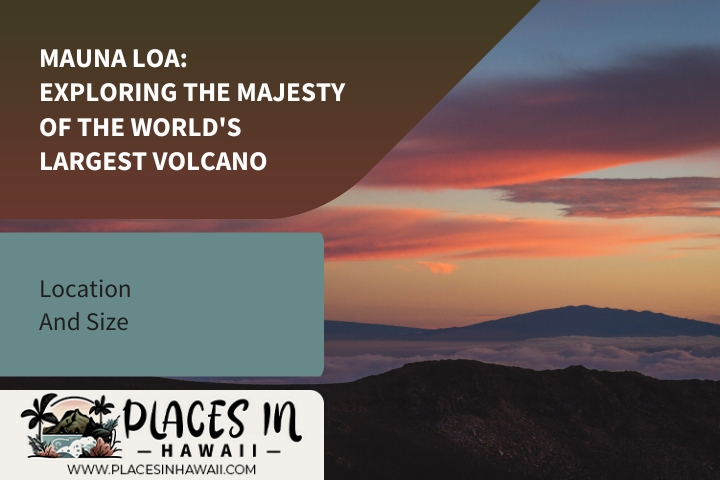
Mauna Loa, the largest volcano in the world, is a shield volcano located in Hawaii on the Pacific Ocean floor. Measuring up to 120 miles long and thirty miles wide, its immense size casts an impressive shadow over the nearby islands. Rising 13,678 feet above sea level, Mauna Loa is an iconic sight for anyone visiting Hawaii. Its peak can be seen from almost any point on the islands of Hawaii and many of their surrounding areas.
The slopes of Mauna Loa are home to some of the most diverse ecosystems in the world. From lush rainforests to barren deserts, this volcano has it all. The diversity of plants and animals found on Mauna Loa's slopes also serves as a reminder that no matter how large or small something may appear, life finds a way to thrive in even the most extreme environments.
The sheer magnitude of Mauna Loa is awe-inspiring. It is a testament to Earth's greatness and serves as a reminder of our insignificance when compared with nature's power and beauty. With its natural diversity and breathtaking height, it continues to captivate people from all walks of life who come to witness its majesty firsthand. Transitioning into the next section about historical significance, one thing is clear: Mauna Loa is much more than just an impressive geological formation; it is a symbol of freedom and resilience that has captivated humanity since ancient times.
Historical Significance
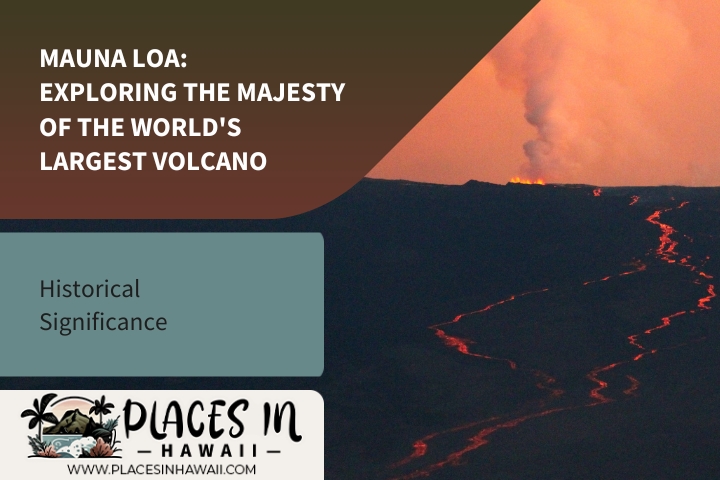
Mauna Loa has been a source of spiritual and cultural significance for centuries. Native legends suggest that the volcano was created by Pele, the Hawaiian goddess of fire, lightning, and volcanoes. Cultural importance is also attributed to Mauna Loa because it is believed to be the abode of gods and spirits. Moreover, religious ceremonies are conducted in its honor.
Early exploration of Mauna Loa began in 1804 when British explorer George Vancouver directed his expedition there. Upon arriving at the summit of Mauna Loa, he found its peak covered with snow and described it as one of the most beautiful sights he had ever seen. However, due to its immense size and steep slopes, no further explorations were conducted until 1832, when missionary Reverend William Ellis led an expedition near its summit.
Today, Mauna Loa is known not only for its geological features but also for its historical significance. Its role in Hawaiian culture has become increasingly prominent through the preservation of native legends and religious ceremonies held in honor of this beautiful volcano. Through our understanding of these stories, we can gain a better appreciation for the majestic power of nature that is embodied within this great mountain. As we explore further into the geology and landscape of Mauna Loa, let us remember to remain mindful of its rich history to understand why it is such a unique place on Earth.
Geology And Landscape
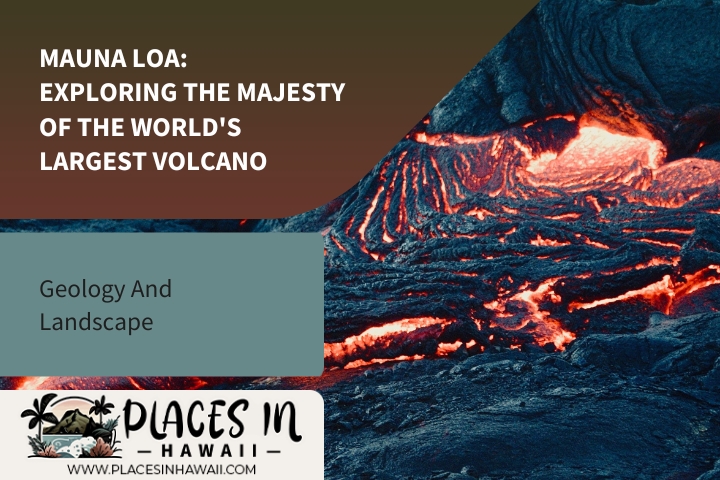
Mauna Loa is a gargantuan sleeping giant, its slopes stretching like the world's largest blanket across the land as if to protect it from all that lies beyond. The volcano is an impressive display of geology and landscape, composed of molten rock and lava flows that have been hardened over time. Its sheer size is awe-inspiring, standing at 13,680 feet tall with an incredible base circumference of around 125 miles. From its summit, one can witness gas emissions billowing up from the depths of the volcano below.
The geology and landscape of Mauna Loa are constantly changing due to its ever-active nature. New ridges form from flowing lava at the surface while seismic activity below continues to shape the volcano's structure and topography. Every few decades or so, eruptions occur, and new lava flows expand outward from the summit caldera, adding to its already immense size. It is this constant evolution that makes Mauna Loa unique to behold; no two visits are ever exactly alike.
Though powerful in its magnitude and presence, Mauna Loa remains largely dormant today, with only occasional seeps of gas being released at the caldera floor. Despite this peacefulness, however, we are reminded that this slumbering giant may soon rise again with a mighty roar should volcanic activity increase in intensity. Looking toward its future eruptions provides us with an appreciation for just how powerful but also unpredictable nature can be.

Eruptive History
Mauna Loa is an active volcano, and its eruptive history is an impressive testament to the power of nature. Volcanic activity on the mountain has been documented over the past two centuries, with eruptions occurring as recently as 1984. Its magma chambers are constantly shifting and building pressure, making it prone to periods of increased volcanic activity.
Past eruptions have ranged from small explosions of gas and ash to large lava flows that have covered vast areas of land. The eruption cycle on Mauna Loa is unpredictable but typically follows a pattern of low-level seismic activity followed by intermittent eruptions over a period of months or years. This cycle has resulted in some of the most memorable eruptions in recent history.
Mauna Loa's eruptive history is both awe-inspiring and humbling at the same time. Its magnitude and power serve as reminders to us all of the immense forces that shape our world. With that in mind, it's no wonder why so many people are drawn to this majestic volcano for its recreational opportunities.
Recreational Opportunities
Mauna Loa offers many recreational opportunities for outdoor enthusiasts. From hiking to camping, sightseeing to rock climbing, and even night-sky viewing, there's something for everyone. Here are some of the activities available:
- Hiking: With over 150 miles of trails, Mauna Loa has plenty of hiking options for all skill levels.
- Camping: There are numerous campgrounds and primitive camping areas near the volcano that offer stunning views and amenities, such as restrooms and fire pits.
- Sightseeing: The summit of Mauna Loa is accessible by car and provides spectacular views of the surrounding landscape and ocean.
No matter your preference, you can find an activity to enjoy at this majestic location. Whether it's a day-long excursion or an overnight stay, you'll be sure to have an unforgettable experience exploring Mauna Loa. With its breathtaking views and rich history, it's no surprise that so many people flock to this area to explore its beauty. As we move on from recreational opportunities, let's turn our attention to flora and fauna found around Mauna Loa.
Flora And Fauna
The flora and fauna of Mauna Loa are as captivating as the volcano itself. Not only is the area home to a variety of endemic species, but many of them are also found nowhere else in the world. The unique environment provided by the volcano offers an ideal habitat for a range of plants and animals, making it one of the richest natural habitats on Earth.
| Volcano Flora | Volcano Fauna |
|---|---|
| Hawaiian Lobelia | Hawaii hawk |
| Lauʻae Fern | Happy-face spider |
| Koa | Nene goose |
| Ohia Lehua | Hoary bat |
| Koaiʻe | Hawaiian hoary bat |
This diverse range of species makes Mauna Loa a great place for hikers, birdwatchers, and nature enthusiasts alike. In particular, visitors can explore the rich network of trails, which will take them through various ecosystems and expose them to some truly unique creatures. Here, they may find some rare birds, such as the nene goose, or catch sight of some of the larger mammals, like hoary bats or Hawaiian hawks. Explorers may even come across some unusual plant life, such as lauae ferns, koa trees, and ohia lehua shrubs, all endemic to Mauna Loa's volcanic slopes.
With its lush vegetation, vibrant wildlife, and stunning views, it's easy to see why Mauna Loa is so beloved by locals and tourists alike. It's no wonder that this majestic volcano continues to draw people from all over the world who want to experience its awe-inspiring beauty firsthand. From its flora and fauna to its recreational opportunities, there's something for everyone at Mauna Loa!
With its varied terrain ranging from arid lava deserts to humid rainforests, Mauna Loa's weather conditions provide an ever-changing backdrop to these incredible sights and activities.
Weather Conditions
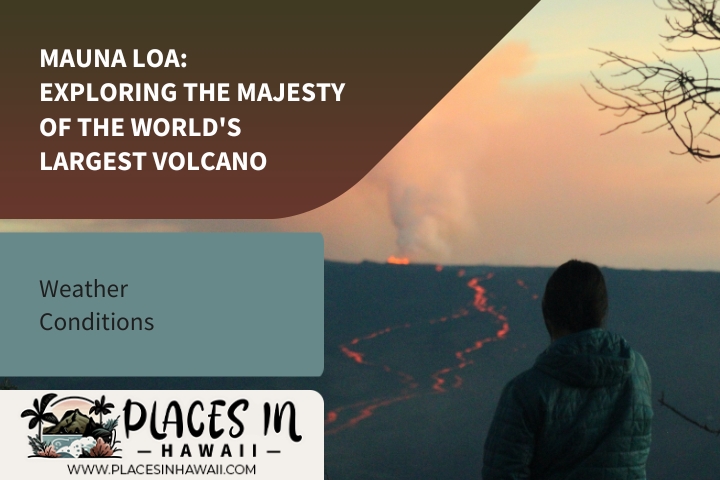
Mauna Loa is renowned for its extreme weather patterns. The intense weather conditions can vary significantly from day to day, making it difficult to predict the exact weather at any given time. This makes forecasting the weather on Mauna Loa a challenge, even for experienced meteorologists.
The effects of the ever-changing weather can also be hazardous. Heavy rains can cause floods and landslides, while high winds create powerful gusts that can bring down trees or disrupt traffic. Heat waves can cause temperatures to soar above 100 degrees Fahrenheit during the summer months, while cold spells can drop temperatures below freezing during the winter.
Weather patterns on Mauna Loa also have an effect on local ecosystems and wildlife. For instance, rain and snowfall provide the moisture necessary for vegetation growth, while high winds may disturb the nesting grounds or migratory paths of birds and other animals. Understanding the various weather conditions is an important part of appreciating this majestic volcano's environment. Moving into understanding local culture and customs provides further context for comprehending the significance of Mauna Loa in its entirety.
Local Culture And Customs
The majestic Mauna Loa stands tall as a testament to the vibrant culture that has long surrounded it. From native traditions to local communities and historical sites, visitors can get a sense of the area's diverse culture.
Traditional Hawaiian customs are deeply rooted in Mauna Loa's history and remain an important part of local life today. Local villagers still practice ancient rituals, like hula dancing and storytelling, to honor their ancestors and keep the traditions alive. There is also a strong connection between these communities and the volcano itself, with many traditional dances focused on its power.
The area around Mauna Loa is filled with fascinating cultural attractions that provide insight into the region's past. Visitors can explore archaeological sites or visit museums dedicated to preserving native artifacts. Historical sites can be found throughout the region, where visitors can learn more about traditional customs and folklore.
From its rich cultural heritage to its timeless beauty, Mauna Loa offers something for everyone who visits it. Whether exploring its natural wonders or getting a glimpse into local traditions, Mauna Loa is sure to captivate any traveler looking for an unforgettable experience. With this in mind, conservation efforts must be undertaken to ensure that future generations can continue to appreciate this magnificent volcano for years to come.
Conservation Efforts
The conservation efforts for Mauna Loa Volcano have been ongoing for many years. In recent decades, it has become increasingly important to protect the unique ecosystem and cultural heritage found on the mountain. Local organizations, such as the Hawaii Volcanoes National Park and Hawaiian Islands Land Trust, have worked tirelessly to ensure that Mauna Loa remains pristine and protected.
In addition to these local initiatives, there are also a number of international efforts to help conserve the volcano. The United Nations Educational, Scientific, and Cultural Organization (UNESCO) has designated the area as a World Heritage Site in recognition of its unique biological and cultural significance in the region. This designation provides extra protection for the volcano and ensures that it will remain intact for generations to come.
There are also numerous research projects being conducted on Mauna Loa by experts from around the world. These studies help us further understand how best to manage and protect this majestic volcano, which is one of the most awe-inspiring features of our planet's natural landscape. As we gain more knowledge about this incredible place, we can better ensure that its beauty and grandeur will be preserved for future generations to enjoy. With an eye toward preserving its intricate ecosystem, Mauna Loa serves as a reminder of why we must never take nature's gifts for granted.
Thanks to these ongoing conservation efforts, Mauna Loa stands as one of Earth's most remarkable geological treasures, an awe-inspiring symbol of our connection to nature that must be respected and cherished. Visiting this stunningly beautiful volcano is an experience unlike any other; it is a chance not just to witness its majesty but also to appreciate its fragility and importance in our global ecology.

Visiting The Volcano
Mauna Loa is a majestic and awe-inspiring volcano located in the Southwestern United States. It is the largest volcano on Earth, and it is possible to explore its wonders by visiting and hiking its trails. Here are some of the ways you can experience Mauna Loa:
- Taking a guided tour: Tours of Mauna Loa are offered by various companies, allowing visitors to explore the volcano's unique environment and see its geological features up close.
- Hiking the trails: The Mauna Loa Trail offers spectacular views of this unique landscape as well as opportunities to observe wildlife and take in the breathtaking beauty of the surroundings..
- Camping: There are several campgrounds on or near Mauna Loa where visitors can spend a night under the stars and enjoy all that this incredible place has to offer.
- Stargazing: The clear night skies above Mauna Loa make it an ideal location for stargazing and observing astronomical phenomena, such as meteor showers, eclipses, and other cosmic events.
- Photography: Photographers flock to Mauna Loa for its stunning vistas, which provide endless opportunities for capturing picturesque moments that will last a lifetime.
Visiting Mauna Loa is an unforgettable experience that will leave you with memories that will last a lifetime. No matter what your interests are, there is something here for everyone to enjoy, from breathtaking views to fascinating geological features and from camping under the stars to exploring untamed wilderness regions. It's an adventure like no other!
Frequently Asked Questions
What Safety Precautions Should I Take When Visiting Mauna Loa?
The majesty of Mauna Loa Volcano has enticed adventurers from all over the world. But with great beauty comes great danger, and safety precautions should be taken when visiting this majestic site. As a volcano researcher, I believe it is important to understand the risks associated with exploring Mauna Loa before setting out on your journey.
When preparing for a visit to Mauna Loa, you'll need to consider the safety precautions you'll need to take. It's essential to stay aware of the weather conditions in the area, as they can change rapidly. You should also bring plenty of water and wear protective clothing like long pants and sturdy shoes that won't get stuck in rocks or mud. Additionally, you will want to pack a first aid kit in case of any accidents or injuries that may occur while visiting the volcano.
Lastly, it is important to remember that Mauna Loa is an active volcano and can be unpredictable at times. Be sure to keep an eye on the US Geological Survey website for updates on volcanic activity or warnings about hazardous conditions near Mauna Loa. Taking these safety precautions will ensure that you have a safe and enjoyable experience when visiting this majestic volcano.
How Do I Get To Mauna Loa?
Traveling to Mauna Loa is a thrilling experience that requires careful planning. To reach the world's largest volcano, there are several transportation options available. Here are some tips for getting to and arriving at Mauna Loa:
- Take a boat or ferry from Hawaii Island.
- Fly in by helicopter or small plane.
- Hike up from sea level.
- Drive up with 4-wheel drive vehicles.
- Take an organized tour with experienced guides.
For those looking for the most convenient way to reach Mauna Loa, flying in is your best bet. Helicopters and small planes offer stunning views of the volcano as you approach, giving you a bird's-eye view of this majestic marvel. For those who want more of an adventure, hiking up from sea level can be a great way to experience more of the island's natural beauty on your journey to the summit. If you're looking for something more comfortable and accessible, taking a boat or ferry from Hawaii Island is an easy and affordable way to get there. Lastly, if you want a guided experience, organized tours provide knowledgeable guides who can show you around and answer all your questions about Mauna Loa.
No matter what method of transportation you choose to get to Mauna Loa, it will be an unforgettable experience full of wonder and awe. The journey itself is just as exciting as exploring the volcano itself! With careful planning and preparation, visitors can enjoy an amazing experience without compromising safety or security. So pack your bags and get ready for an unforgettable adventure; it's time to explore the majesty of Mauna Loa!
How Does The Eruption History Of Mauna Loa Compare To Other Volcanoes?
Mauna Loa is an impressive and majestic volcano with a rich and vast eruption history. In terms of volcanic activity, understanding the eruption history of Mauna Loa is an important part of learning about this incredible geological formation.
It's natural to wonder how the eruption history of Mauna Loa compares to other volcanoes. This comparison can provide valuable insight into the nature of volcanic eruptions and their potential impacts:
- Volcanic eruptions are powerful reminders of Earths inner forces.
- Understanding eruption histories allows us to better predict future events.
- The scale and complexity of each eruption vary from one volcano to another.
When comparing Mauna Loa's eruption history to that of other volcanoes, it's important to note the many similarities as well as the differences between them. For example, while some eruptions may have similar magnitude and duration, they can differ significantly in terms of intensity or type (e.g., explosive vs. effusive). Additionally, certain elements, such as location or geology, can also influence the speed and size of an eruption. All these factors contribute to making each volcano unique in its own way.
Despite these differences, what remains consistent is that volcanic eruptions are awe-inspiring displays of nature's power, capable of destruction yet also capable of creating new life. It is this duality that makes studying a volcano like Mauna Loa so fascinating for researchers, offering a glimpse into our planet's past and present dynamics.
Are There Any Guided Tours Available For Mauna Loa?
Are there any guided tours available for Mauna Loa? This is a question that many people interested in the majestic world's largest volcano may have. While there are few guided trips directly to Mauna Loa itself, the surrounding area of Hawaii offers several excursions and tours for those looking to explore its volcanic wonders.
When it comes to exploring the nearby volcanoes, there are several companies that offer guided trips and excursions. These often include stops at popular sights, such as Kilauea, Halemaumau Crater, and many other sites of natural beauty. The tour guides can provide insightful information about the region's unique geological history and help visitors understand how this ancient landscape has evolved over time. Additionally, these tours often come with informative lectures on volcanology topics, such as eruptions and seismic activity.
For those wanting a more direct experience with Mauna Loa itself, there are also companies that offer guided volcano tours that take visitors deep into the crater of this massive mountain. Here, they can learn all about lava flows and geothermal energy production and even witness some of the incredible geological features only visible from within the volcano's walls. These trips are typically very safe as well as educational, providing an unforgettable experience for anyone interested in learning more about one of nature's most powerful forces.
Whether you're looking for an educational journey or a thrilling adventure, there's sure to be a tour out there to suit your needs. Mauna Loa and its surrounding areas have no shortage of offerings when it comes to exploring one of Earth's most magnificent environments, so why not take a trip today?
Are There Any Special Restrictions On Taking Photographs Of Mauna Loa?
Are there any special restrictions on taking photographs of Mauna Loa? This question is a common one for anyone who is interested in capturing the grandeur and beauty of this majestic volcano. The answer to this question depends on the type of photography restrictions in place at Mauna Loa.
For general picture-taking regulations, visitors should be aware that photography is generally allowed. However, some areas may be prohibited from being photographed due to safety considerations or other reasons. Additionally, visitors are advised to stay within designated areas when taking pictures and must follow all rules and regulations regarding photography.
When it comes to specific rules related to the prohibition of photography, visitors should be aware that certain government agencies may have their own set of regulations in place. For example, visitors are not allowed to take photos from a distance closer than two miles from active lava flows. Additionally, some areas require special permission before allowing photographers access to photo sessions or filming.
In order to ensure all necessary precautions are taken, and the safety of both the photographer and other visitors is maintained, it is important to check with local authorities prior to engaging in any kind of photography activity at Mauna Loa. Taking pictures can be a great way to capture the beauty and grandeur of this world-renowned volcano, but proper research and planning should always come first.
Conclusion
The experience of visiting Mauna Loa is truly awe-inspiring. From the safety precautions that must be taken to the unique eruption history of this massive volcano, it's a trip that should not be missed.
For those who are lucky enough to have the opportunity to explore Mauna Loa, there are plenty of guided tours and activities available to make your visit even more special. Whether you're just snapping some photos for memories or taking a more in-depth look at the volcano's fascinating history, it's an adventure you won't soon forget.
For those who want to witness the majesty of nature on a grand scale, Mauna Loa is certainly worth exploring. With its sheer size and geological significance, it's sure to leave a lasting impression on all who witness its power and beauty firsthand.
What To Do Next
Interested in exploring the mighty Kilauea? Head over to our Kilauea article for in-depth information and tips for your next adventure.
Discover the stunning beauty of Haleakala by visiting our Haleakala Volcano page. Get ready to make the most of your Hawaiian getaway!