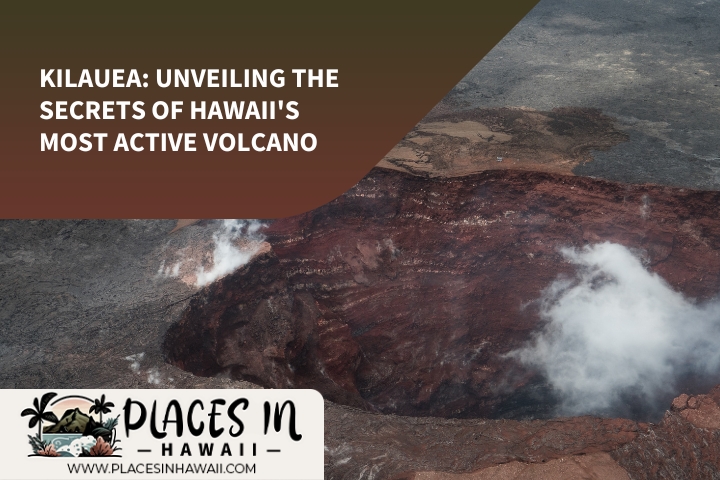

Kilauea, the most active volcano in Hawaii, has been erupting since 1983 and continues to captivate the world. Its fiery display of power stirs something deep in our collective psyche a subconscious desire for freedom and invites us to explore its secrets. Join us as we unveil the mystery of Kilauea and discover why it's one of the most studied volcanoes on Earth.
As researchers uncover more about Kilauea, they learn about its behavior and what drives its activity. The volcano's eruptions are some of the longest-lasting eruptions ever recorded, providing scientists with an opportunity to observe its behaviors over time. Through these studies, they've developed a better understanding of how it works and how it interacts with the environment.
In this article, we'll take an in-depth look at Kilauea, exploring its history, current eruptive activity, geology, and impacts on local communities. We'll also examine how researchers use their findings to better understand other volcanoes around the world. So come along on our journey as we venture into this fiery landscape and uncover what makes Kilauea so special.
Key Takeaway
Kilauea, Hawaii's most active volcano, has a fascinating history and an array of geological characteristics that make it a subject of continuous study and a popular tourist destination. Its formation, structure, and various types of lava flows contribute to the unique hazards and risks associated with its eruptions. The monitoring of the volcano is a crucial aspect of maintaining safety and understanding Kilauea's behavior, as well as its impact on the environment through volcanic gas emissions. Despite being an active volcano, Kilauea also serves as a significant tourism and conservation site, showcasing the beauty and power of nature.
The article provides an in-depth look into Kilauea's location, geography, history of eruptions, and geological characteristics. It also covers the hazards and risks associated with living near an active volcano, the different types of lava flows, and how the volcano is monitored to ensure the safety of residents and visitors. Furthermore, the article sheds light on Kilauea's current eruption status and its role in tourism and conservation efforts in Hawaii.
Recommended Action
Don't miss out on exploring the fascinating world of volcanoes during your Hawaiian getaway. Discover more content and resources to make your trip unforgettable.
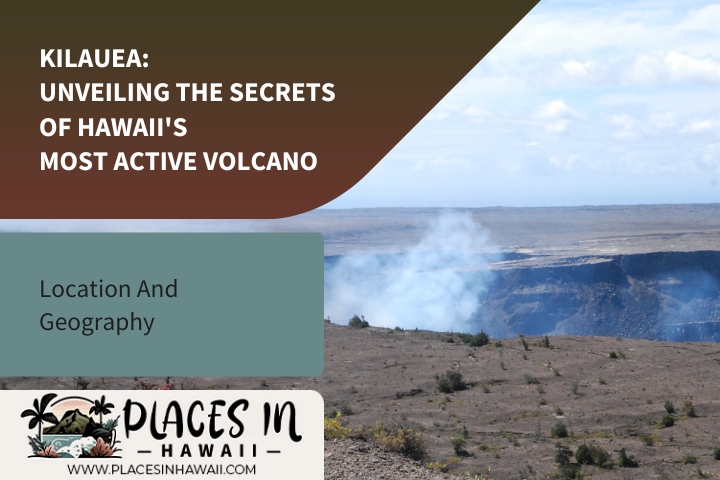
Location And Geography
Towering majestically over the lush greenery of Hawaii, Kilauea is a breathtakingly beautiful volcano. As one of the world's most active volcanoes, it stands as a testament to the geological power and raw beauty of our planet. Its geographical location is key to understanding the power of this iconic volcano.
Kilauea sits in the southeastern portion of Hawaii, near two other active volcanoes, Mauna Loa and Hualalai. It is part of the five shield volcanoes that make up the Big Island of Hawaii, stretching from sea level to 4,091 feet. Kilauea also lies within Hawaii Volcanoes National Park, providing easy access for visitors who wish to explore its magnificence up close.
The geographic area surrounding Kilauea is not just unique for its volcanic activity, but it has also been historically significant for many thousands of years. Native Hawaiians have lived here since antiquity and have considered it an integral part of their culture and religion. This rich history, combined with its powerful presence, makes Kilauea one of nature's most remarkable attractions. With this in mind, let us now delve into the fascinating history of eruptions associated with this iconic volcano.
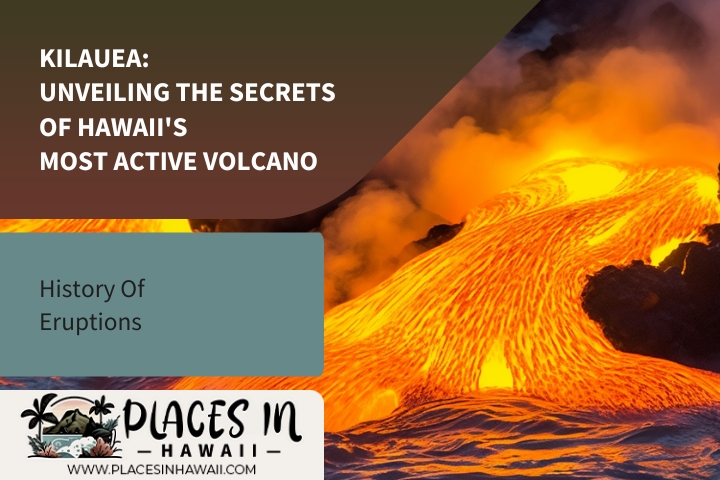
History Of Eruptions
Kilauea, one of the most active volcanoes in the world, has a long and fascinating history. Its eruptions have been documented since 1823, and its activity has been closely monitored since 1952. From lava flows to ash plumes, Kilauea's eruptions have helped shape Hawaii's landscape. Here is a timeline of this volcano's major eruptions:
- 18231824: The first recorded eruption of Kilauea lasted from December 1823 to April 1824. It produced a lava flow that extended 11 kilometers (seven miles) from the summit to the coast near Kapoho.
- 19551961: This period was marked by frequent eruptions at both the summit and on the east rift zone, resulting in several new vents being formed in the Halemaumau crater and Pu'u 'O'o cone.
- 19832018: During this time, Kilauea experienced a series of eruptions along its east rift zone, producing more than 550 million cubic meters (700 million cubic yards) of lava and covering more than 175 square kilometers (68 square miles).
- 2018: Kilauea's most recent eruption began on May 3rd, 2018, and it lasted for four months, causing extensive damage to roads, homes, and other infrastructure. It was also notable for triggering hundreds of earthquakes and producing large amounts of sulfur dioxide gas.
The frequency of eruptions at Kilauea varies greatly over time; some periods can be relatively quiet, while others are marked by intense volcanic activity. Its magma system is complex and constantly changing, making it difficult to predict when or where an eruption might occur next. As we explore further into this volcano's geological characteristics, we gain a better understanding of how it works and why it is so unpredictable!
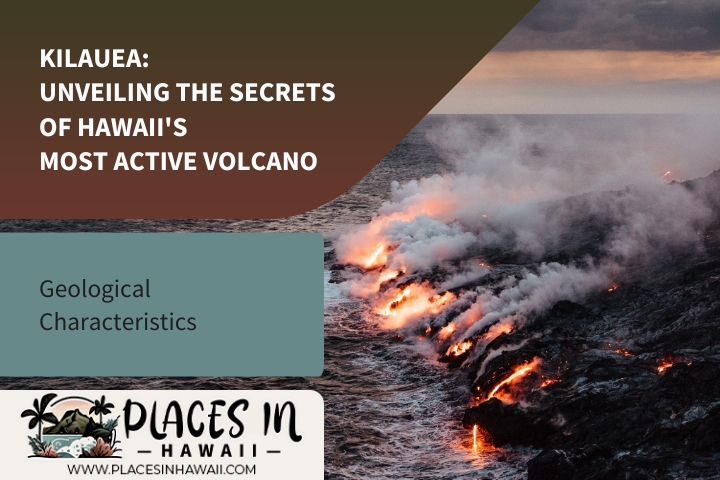
Geological Characteristics
Kilauea is one of the most iconic active volcanoes in the world, and its geological characteristics are essential to understand. The volcano has a magma chamber that is replenished by tectonic plates located beneath it, providing an abundance of geothermal energy. The lava composition of Kilauea comes mainly from basalt rock, which gives off powerful seismic waves during eruptions.
| Lava Composition | Magma Chamber | Tectonic Plates |
|---|---|---|
| Basaltic Rock | Deep | Subduction Zone |
| Silica-Rich | Volatile | Pacific Plate |
| Alkaline | Hot | Juan de Fuca |
The lava composition of Klauea consists mostly of basaltic rock, with the occasional presence of silica-rich and alkaline flows. This provides a varied range of volcanic landscapes that can be found on its slopes. The magma chamber at Klauea is deep and volatile, and it is replenished by subduction zones between the Pacific Plate and Juan de Fuca Plate. This contributes to the abundance of geothermal energy available for powering eruptions and earthquakes in the volcano's vicinity. Furthermore, the seismic waves produced by these eruptions signify their immense power, which can tear apart even solid rock formations.
These geological features create an environment where Kilauea has been able to thrive as one of nature's most powerful forces for thousands of years. Its numerous eruptions have shaped the Hawaiian Islands significantly throughout their existence and offer us insight into understanding how volcanoes work today. As we explore further into this fascinating landscape, we can gain more knowledge about how volcanoes interact with our planet's tectonic movements and natural cycles, granting us greater freedom in our understanding of nature's awesome power.
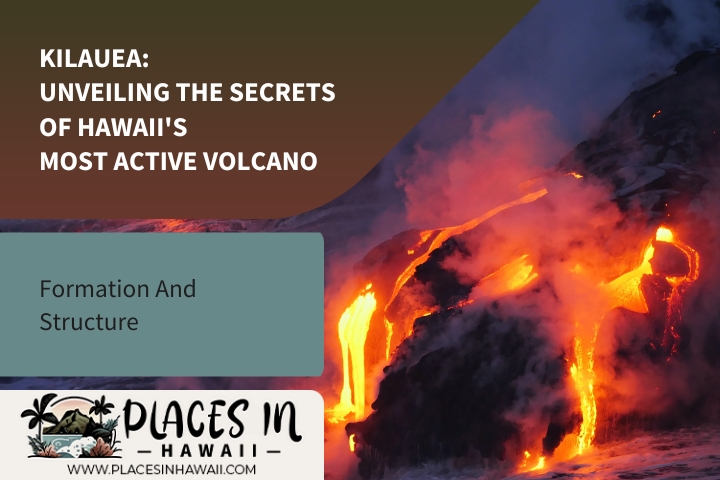
Formation And Structure
Kilauea is one of the most active volcanoes on Earth it has been erupting continually since 1983! Its formation and structure provide insight into the complex processes of volcanism in Hawaii. Here are three things to consider about Kilauea's formation and structure:
- Its magma chamber lies nearly 40 km below the surface.
- The majority of its seismic activity occurs close to this magma chamber, at depths of 10-30 km.
- Its caldera (or large crater) measures more than four km across.
The volcano was formed by a series of eruptions over hundreds of thousands of years, with the most recent eruption occurring in 2018. This volcanic activity has built up a series of overlapping shield volcanoes that form the island we know today as Kilauea. The caldera was formed by two massive collapse events in 1790 and 1924, which were followed by smaller collapses throughout its history.
The magma chamber beneath Kilauea is one of the largest in the world, estimated to contain around 500 million cubic meters (17 billion cubic feet) of molten rock. This vast reservoir helps power its frequent eruptions as well as provides an important source for studying volcanic processes, such as seismicity and geochemistry. By understanding these processes better, we can gain insight into how similar volcanic systems operate elsewhere on Earth.
Kilauea's formation and structure provide us with an unparalleled view of the fascinating world of volcanism and its many complexities. As we continue our exploration of this dynamic environment, we must be aware of its potential hazards and risks for those who live nearby.
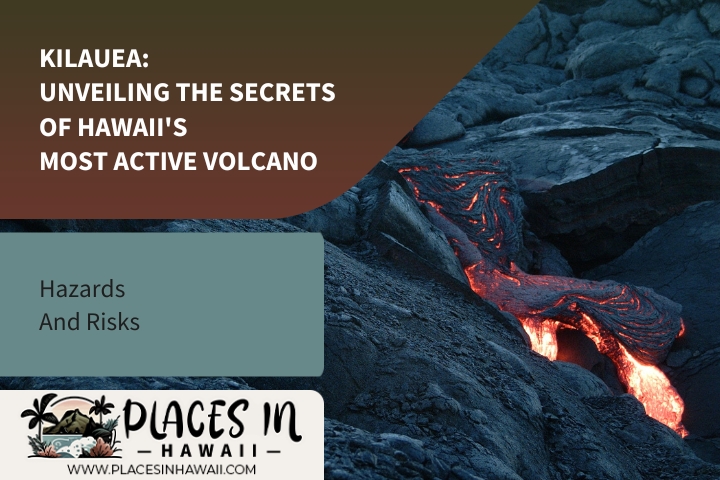
Hazards And Risks
The hazards and risks associated with Kilauea have long been a source of mystery for scientists. While its fiery eruptions are mesmerizing to watch, they can also cause catastrophic destruction. The following table provides an overview of the types of volcanic hazards and risks associated with Kilauea:
| Hazard | Risk |
|---|---|
| Pyroclastic Flows | Potential Property Damage & Loss Of Life |
| Lava Domes | Injury from Falling Rocks & Debris |
| Lahar Floods | Destruction Of Homes & Infrastructure |
Pyroclastic flows are one of the most dangerous hazards associated with Kilauea's eruptions, as they can travel up to 100 km/h (60 mph). They consist of hot ash, rock fragments, and gas that are expelled during an eruption. These flows can cause significant property damage and loss of life if they reach inhabited areas. Lava domes are formed when lava accumulates in the vent of a volcano and creates a mound-like structure. When these domes become unstable, they can collapse, releasing hot rocks and debris that can injure or kill people in the vicinity. Lahar floods occur when wet volcanic material mixes with water and rushes down the slopes of a volcano at high speeds. This type of hazard has caused extensive destruction to homes and infrastructure in the past by burying them under thick layers of mud.
The inherent risks associated with Kilauea make it essential for scientists to be able to accurately predict its activity so that residents can be warned ahead of time if an eruption is likely to occur. In order to do this, scientists must be knowledgeable about its volcanic gas emissions, which will be discussed in the next section.
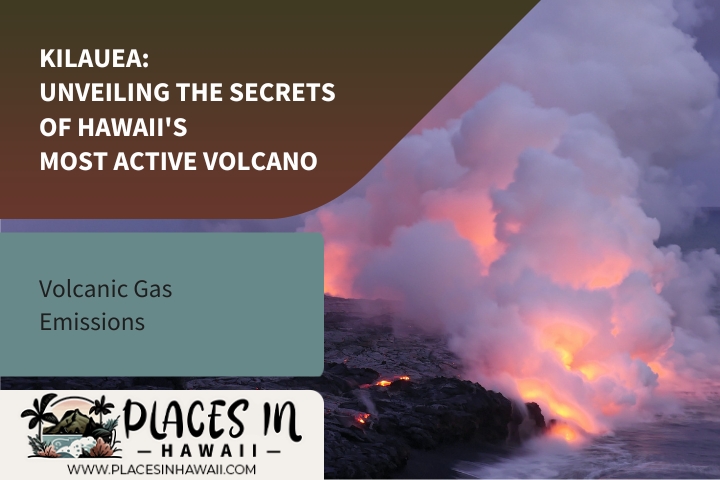
Volcanic Gas Emissions
Kilauea is the most active volcano in Hawaii, and it emits various volcanic gases. The gases that are released from Kilauea include:
- Water Vapor
- Carbon Dioxide
- Sulfur Dioxide
- Other Trace Gases
The gas emissions from Kilauea can have a great impact on the environment and human health. For instance, sulfur dioxide is one of the most hazardous gases emitted by volcanoes, and its presence can cause acid rain, which has negative impacts on crops, water sources, and infrastructure. Additionally, sulfur dioxide can cause respiratory issues, such as asthma. Therefore, monitoring the gas emissions of Kilauea is important for understanding its activity and preventing potential hazards to the environment and people living nearby.
In addition to sulfur dioxide, other volcanic gases, such as carbon dioxide and hydrogen sulfide, can also be dangerous when inhaled in large quantities. Therefore, it is essential for scientists to track the levels of these gases in order to understand their impact on humans and nature. By doing so, if needed, they can issue warnings ahead of time in order to protect lives.
To gain insight into these gas emissions from Kilauea Volcano, scientists use various geochemical techniques, such as infrared spectroscopy and mass spectrometry, to analyze different elements present in the volcanic plume. This allows them to understand how much of each element is being released into the atmosphere, which helps them forecast potential risks associated with changes in activity at Kilauea Volcano.
These findings not only provide valuable information about the activity at Kilauea Volcano for scientists but also for people living near this famous Hawaiian volcano who may be affected by its eruptions or gas emissions. With a better understanding of these hazards, people can make informed decisions about their safety while enjoying all that Hawaii has to offer.
It's clear that volcanic gas emissions need to be closely monitored in order to ensure safety around Kilauea Volcano. As we turn our attention now toward the types of lava flows occurring at this iconic Hawaiian destination, we will further explore just how powerful nature truly is!
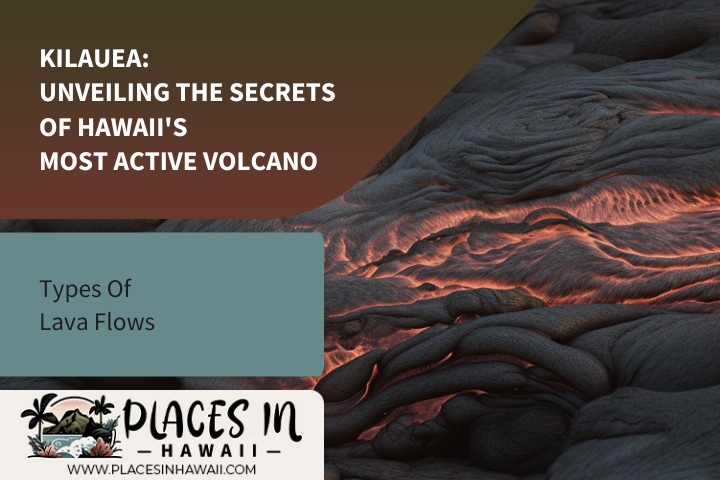
Types Of Lava Flows
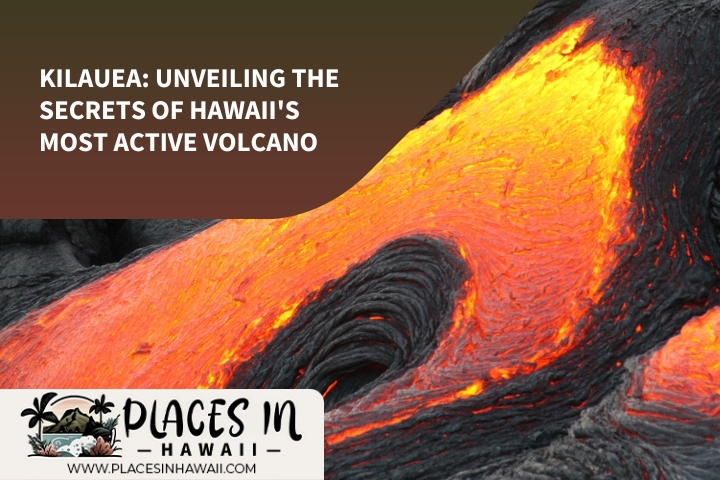
Kilauea is a shield volcano that has been actively erupting since 1983, with several types of lava flows having been observed over the years. Pahoehoe and Aa are the two main lava flow types most commonly associated with Kilauea.
Pahoehoe, which is Hawaiian for "smooth," is characterized by its smooth, billowy surface texture. This type of lava can be quite fluid and often forms finger-like projections known as pillow lavas when it cools in contact with water. These relatively fast-moving and highly fluid lava flows can also form tubes, which can travel great distances before cooling and solidifying.
Aa is an extremely jagged and rough form of lava that occurs when molten rock begins to cool before it has had time to become completely fluid. This type of lava flow typically moves slower than pahoehoe and consists of large chunks or blocks of cooled lava that get broken apart as the flow continues to move forward. Aa is especially hazardous due to its sharp edges, which can cut through clothing or skin; however, it does have the benefit of creating a natural barrier that limits further movement of the flow.
Kilauea's eruptions have provided researchers with valuable information about how these different types of lava flow behave on land, allowing us to better understand their formation and movement patterns. Monitoring this active volcano will help us gain even more insights into how volcanoes work and may even enable us to predict future eruptions more accurately. With this knowledge in hand, scientists can continue their work toward better managing volcanic threats in Hawaii and around the world.
Monitoring The Volcano
A perfect example of the importance of volcano monitoring is the 2018 eruption of Kilauea in Hawaii. Thanks to precise monitoring techniques, scientists were able to predict the eruption and alert residents and tourists of potential volcanic hazards.
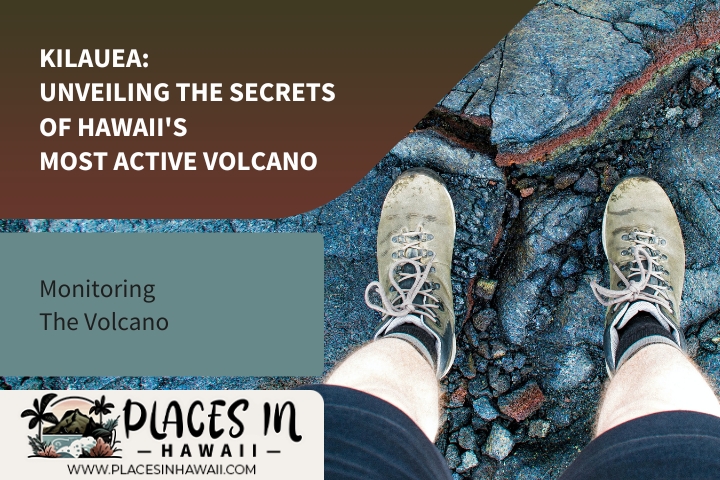
Volcano monitoring involves collecting various types of data, such as seismic data, deformation measurements, and gas emissions, to observe changes in a volcano's behavior. This data is then used to track activity levels and potentially forecast eruptions. In order to monitor Kilauea, the Hawaiian Volcano Observatory (HVO), part of the US Geological Survey (USGS), monitors the volcano around the clock using an array of geophysical instruments, such as seismometers, tiltmeters, and GPS receivers.
The HVO also collects ground-based observations, including lava flow movement, changes in crater floor elevations, subsurface explosions, ash clouds, and other phenomena that may signal increased activity or an impending eruption. By combining all these pieces of information together, volcanologists can build up a picture of what is happening beneath the surface and provide early warnings if needed.
By studying past events at Kilauea with modern technology, scientists can better understand how volcanoes work and use this knowledge to improve their predictions for future eruptions. This helps reduce the risk for those living nearby by providing them with an advance warning when necessary. With this knowledge in hand, we can now turn our attention to assessing the current status of Kilauea's eruption.
Current Eruption Status
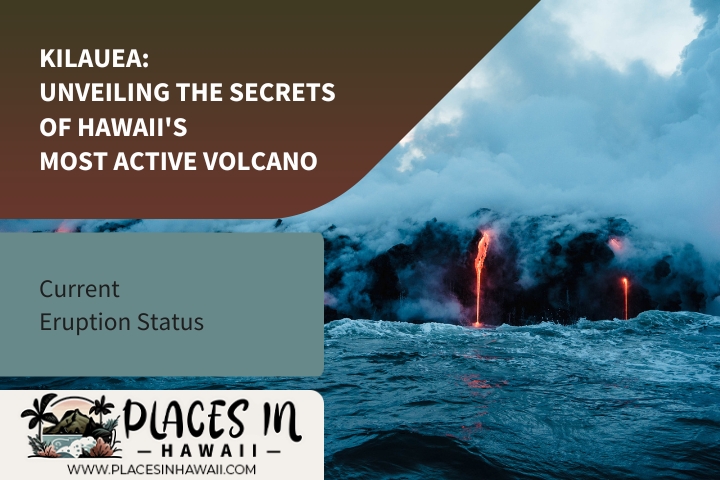
Kilauea has been erupting since 1983, making it the longest-lived eruption in the world. The current eruption status of Kilauea is that it is still actively erupting, with activity centered around Halemaumau Crater and Puu Ōō. It is estimated that during the 35 years of activity, Kilauea has spewed out enough lava to cover Manhattan island up to a depth of 63 feet. This high level of ongoing activity makes Kilauea one of the most monitored volcanoes in the world.
The United States Geological Survey (USGS) operates a range of monitoring instruments to detect changes in volcanic activity. These include seismometers to measure seismic waves, tiltmeters, which can detect any changes in ground deformation, and cameras to monitor any visible signs of activity, such as steam or ash clouds. By tracking these measurements, scientists are able to accurately gauge the nature and intensity of volcanic eruptions and provide timely warnings if they occur.
From this data, we have an understanding of how Kilauea's current eruption status might evolve over time. Although its current state may seem relatively calm compared to some historic eruptions, it is important for people living nearby and visitors alike to be aware that it could become more active at any moment. As such, people should always abide by all safety restrictions when visiting or being near areas around Kilauea Volcano.
By understanding its current eruption status, we can better appreciate the power and grandeur of Kilauea while also ensuring its protection from potential harm through responsible tourism and conservation practices.

Tourism And Conservation
Kilauea, the world's most active volcano, has seen a massive increase in tourism since its eruption in 2018. With over 2 million visitors per year, it is no surprise that the Hawaiian government must think of ways to conserve this natural wonder. In addition to preserving and protecting Kilauea's ecosystems, the government must also manage the island's mass influx of visitors.
The Halemaumau crater is a popular destination for tourists visiting Kilauea. It has been said that standing at the edge of the crater is like looking into the gates of Hell itself. While this awe-inspiring view attracts many people to Hawaii Volcanoes National Park each year, it also poses safety hazards if not managed properly. The park provides protective gear and strict guidelines on how far visitors can venture onto precarious terrain. The government also enforces an important reminder: Respect the power of nature and never underestimate the potential danger posed by volcanic activity.
In order to ensure conservation efforts are successful while still allowing tourists to enjoy this unique environment, Hawaii Volcanoes National Park implements several policies. There are restrictions on certain activities, such as camping close to lava flows and rock climbing near explosive craters; these prohibitions protect both humans and wildlife from potential harm. Additionally, there are regulations in place regarding trash disposal, water usage, and air pollution. This helps maintain healthy environments for all living creatures surrounding Kilauea's caldera.
As one of Earth's most spectacular natural attractions, Kilauea will continue to draw curious travelers from around the world for years to come, and with effective conservation efforts in place, it will remain a cherished destination for generations to come.
Frequently Asked Questions
What Is The Best Time Of Year To Visit Kilauea?
When it comes to planning a visit to Kilauea, the most active volcano in Hawaii, deciding on the best time of year can be difficult. With its ever-changing eruption season and unpredictable lava flows, deciding when it's safest and most rewarding to visit takes some research. But don't worry we've got you covered! Here's what you need to know about finding the best time of year to visit the Kilauea volcano.
First, it's important to consider the type of experience you're looking for. Do you want to witness an eruption up close? Or are you more interested in lava viewing? The timing of your trip will depend on what type of experience you're hoping for.
If witnessing an eruption is your goal, then summertime is generally the best time to visit the Kilauea volcano. This is when eruptions are most frequent and accessible for viewing. It's also important to note that eruptions can occur at any time during the year, so if visiting during the summer isn't possible, there might still be a chance to catch an eruption on one of your other trips.
On the other hand, if lava viewing is what you're after, then wintertime or early spring is typically the ideal season. During this time period, lava flows tend to be more steady and accessible than during other times of the year. Plus, the winter months bring cooler temperatures ideal for those long hikes through Hawaii Volcanoes National Park!
So no matter what kind of experience you're seeking from Kilauea volcano whether it's witnessing a spectacular eruption or taking in some incredible lava viewing there's sure to be something special waiting for you at any time of year. With some careful research and planning ahead, there's no doubt that your trip will be well worth it!
Are There Any Special Safety Precautions That Should Be Taken When Visiting Kilauea?
Visiting the Kilauea volcano requires special safety precautions, and it's important to be aware of the risks before planning a trip. The area around an active volcano can be unpredictable, and visitors should always take the necessary steps to protect themselves from any potential hazards. In this article, we'll explore the safety precautions that should be taken when visiting the Kilauea volcano.
When visiting the Kilauea volcano, it's essential to follow all safety warnings and advice from park rangers or other experts in the field. The most important precaution is to stay away from any areas marked as off-limits by authorities. Additionally, visitors should always wear appropriate clothing, such as long pants and sturdy shoes, to protect against cuts or scrapes if they slip on loose rocks or volcanic debris. It's also important to bring lots of water and snacks in case the hike takes longer than expected.
Finally, it's essential to check the weather conditions before visiting the Kilauea volcano. The area can experience sudden changes in wind direction that can spread ash and other hazardous materials quickly throughout the area. Additionally, sulfur dioxide gas released by volcanoes can cause respiratory problems for those with asthma or other breathing issues, so it's important to check current air quality levels before heading out for a hike around the Kilauea volcano.
By following these simple steps, visitors can enjoy their time exploring Kilauea without having to worry about potential dangers from its unpredictable nature. With a little bit of preparation and awareness of potential hazards, everyone can have a safe and enjoyable experience at Hawaii's most active volcano!
How Will The Current Eruption Affect Nearby Communities?
The current eruption of Kilauea has had a profound effect on nearby communities, with many residents experiencing the consequences of this powerful natural force. From the destruction of homes to the disruption of daily life, there are many impacts that need to be taken into account when considering how this event will shape the future of these areas.
The effects of Kilauea's eruption can be seen in several areas, from environmental changes to economic damages. The lava flows and toxic gases have caused irreparable damage to agricultural lands and destroyed numerous homes, leading to financial losses for some individuals and families. Additionally, those living near the volcano have been put at risk due to air quality concerns and a heightened risk of further eruptions.
Local governments and organizations are taking steps to help affected communities address these issues and mitigate future risks. This includes providing assistance for those who have lost their homes or businesses due to the eruption as well as providing ongoing support, such as food aid and health care services. Here are a few ways in which they are helping:
- Educating residents about safety protocols during an eruption
- Providing assistance with housing repairs
- Offering assistance with medical expenses related to evacuation
The situation is still changing, but it is becoming more clear that Kilauea's current eruption has had far-reaching consequences that will continue to shape life in nearby communities for years to come. An understanding of both the short-term and long-term effects is essential in order to create effective strategies for mitigating risks and ensuring a safe return home for those affected by this powerful natural disaster.
Are There Any Special Conservation Efforts Being Undertaken To Protect Kilauea?
The current eruption of Kilauea has brought to light the need for special conservation efforts to protect the active volcano. Conservationists in Hawaii are taking special precautions to ensure that this iconic landmark is preserved for generations to come.
These conservation efforts involve both long-term initiatives and short-term solutions. Long-term plans include research into the geological makeup and behavior of Kilauea as well as outreach to local communities and governments about how they can help protect it. In the short term, there are projects aimed at reducing human disturbance in the environment surrounding the volcano, such as restricting access to certain areas or implementing educational programs about conservation in nearby schools.
The protection of Kilauea is a crucial part of preserving Hawaii's unique biodiversity, so it's important for citizens and visitors alike to take an active role in protecting this natural wonder. By understanding more about Kilauea and its place in Hawaiian culture, we can make sure that this incredible site remains a vibrant part of our planet for years to come.
Are There Any Historical Accounts Of Significant Eruptions Of Kilauea?
Have you ever wondered about the historical eruptions of Kilauea? This dynamic volcano has been a part of Hawaiian culture and history for centuries. From its beginnings as an active, erupting volcano to more recent activity, Kilauea has seen many significant eruptions that have shaped the landscape and the lives of those living nearby. Here is a look at some of the most notable eruptions of Kilauea:
- The 1790 eruption was one of the deadliest in Hawaiian history. It caused over a thousand deaths, making it one of the most devastating volcanic activities ever recorded.
- The 1924 eruption lasted for two months and caused extensive damage to nearby villages and towns. It was one of the longest-lasting eruptions from Kilauea in modern times.
- The 2018 eruption is remembered for its lava flows that destroyed hundreds of homes and forced thousands to evacuate their homes.
Kilauea's eruptions have always been dramatic and powerful, leaving their mark on Hawaii's history and culture. While it can be destructive at times, this dynamic volcano also provides valuable insights into volcanic activity around the world. The data collected from studying Kilauea helps scientists better understand how volcanoes work, which is essential for predicting future events and protecting people living near volatile volcanoes like Kilauea. By understanding more about a volcano's past eruptions, we can make better decisions about our own safety in areas prone to volcanic activity in the future.
Conclusion
The secrets of Kilauea have been revealed, and the results are awe-inspiring. As one of the world's most active volcanoes, Kilauea has a long history of dramatic eruptions and continues to captivate visitors from around the globe. In addition to providing an incredible geological experience, visiting Kilauea can be a great way to support the local conservation efforts that are so important to preserve this unique landscape.
From its impressive eruptions to its beautiful vistas, Kilauea is a truly remarkable destination. For those brave enough to explore it, it will be an experience like no other. The sheer power of this volcano is almost incomprehensible; its rumbling can shake the earth with such force that it feels like you're standing on top of an erupting mountain of fire a sight that's sure to leave you with memories that will last forever.
Kilauea is truly one-of-a-kind and deserves our respect. With careful planning and preparation, we can all enjoy experiencing this incredible volcano without putting ourselves in danger. So come join us as we unlock the secrets of this amazing Hawaiian gem because when it comes to volcanoes, Kilauea stands alone!
What To Do Next
Ready for more adventure? Learn about the intriguing Pu'u O'o volcano and find additional content to enhance your Hawaiian experience.
Continue your volcanic exploration by visiting the majestic Mauna Loa. Discover more resources and information to make your Hawaiian getaway truly memorable.