

Step into a world of ancient beauty and history, of a giant dormant within the clouds. Haleakala, a mountain on the Hawaiian island of Maui, offers an experience like no other. Rising to 10,023 feet above sea level, this dormant volcano is home to stunning landscapes and rich culture. Come explore the grandeur of Haleakala and discover why it's one of the most popular tourist destinations in Hawaii.
Located in the eastern part of Maui, Haleakala is made up of three distinct sections. The summit area features breathtaking views from atop its massive crater walls. The middle section boasts lush valleys full of colorful flora and fauna, while the lower portion is home to historic villages that have been around for centuries. No matter where you go, you'll find something special at Haleakala National Park something that speaks to your subconscious desire for freedom and adventure.
Haleakala is also home to many legends and stories passed down through generations. From tales of its creation to stories about its powerful gods and goddesses, these myths make up an integral part of Hawaiian culture, one that can be admired by all who visit this sacred place. Whether you're looking for an unforgettable experience or simply want to learn more about Hawaii's past, there's no better place than Haleakala National Park!
Key Takeaway
Haleakala, a massive dormant volcano in Maui, Hawaii, offers visitors a unique glimpse into the area's rich geological, cultural, and natural history. Towering at over 10,000 feet above sea level, the volcano's summit provides breathtaking views and is home to various recreational activities, diverse flora and fauna, and significant astronomical observations. In addition to its geological marvels, Haleakala holds a special place in Hawaiian culture and legends, making it a truly fascinating destination for tourists.
To ensure the preservation of Haleakala's beauty and history, conservation efforts are in place within the park. Tourists visiting the area can enjoy a variety of activities, such as hiking, stargazing, and visiting the observatory on the summit. However, it is essential to be prepared for the unpredictable weather conditions at the summit and to respect the park's guidelines to help protect this incredible natural wonder for future generations.
Recommended Action
Explore more about the majestic world of volcanoes and make the most of your Hawaiian vacation by visiting our dedicated page.
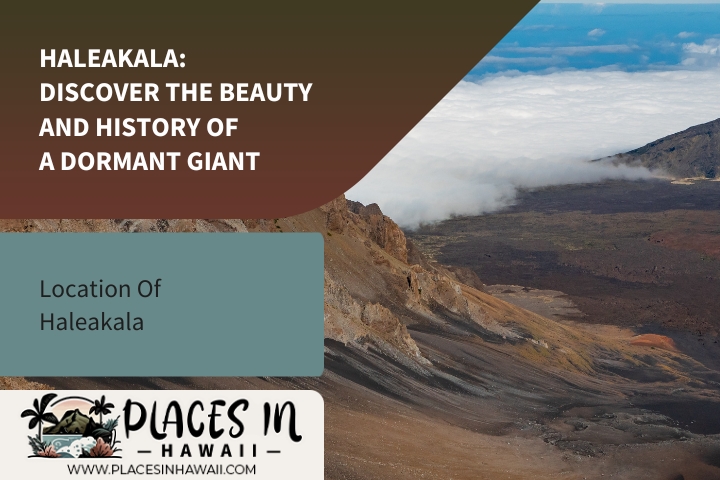
Location Of Haleakala
Nestled atop the beautiful island of Maui, Hawaii, lies a dormant giant. Haleakala, which stands at 10,023 feet tall, towers over the Hawaiian archipelago and overlooks the vast Pacific Ocean. This national park located in the USA is home to lush tropical forests and breathtaking mountain views. It's a sight that draws in thousands of visitors each year, eager to witness its grandeur.
The location of Haleakala is an integral part of its history. Its calculated position on the island of Maui is what makes this dormant volcano so special and unique. From such an elevated point of view, one can witness stunning sunrises and sunsets as well as take in panoramic views from all angles. The majestic landscape below only adds to its beauty.
Haleakala's presence in Maui has been felt for centuries now. Yet, it still manages to captivate locals and tourists alike with its striking appearance and mesmerizing stories waiting to be told. It's impossible not to be moved by such natural magnificence; no wonder why it has become such a popular destination in recent years! With that said, let us now delve into the geology of this remarkable volcano.
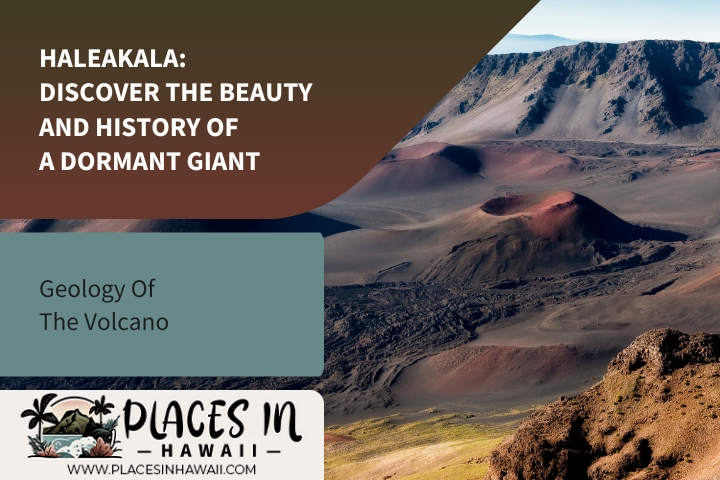
Geology Of The Volcano
Haleakala, measuring over 10,000 feet high, is the largest dormant volcano in the world. The mountain's majestic crater is an awe-inspiring site to behold, and its geology offers insight into the power of nature. Located on the Hawaiian island of Maui, this volcanic giant has been shaped by centuries of geological activity.
The volcano is composed of hardened magma that formed over thousands of years. This cooled lava created a unique landscape with layers of ash, stones, and soil at its summit. Many believe that Haleakala was once much larger than it was today when eruptions occurred during prehistoric times. Over time, these have worn away the mountain's slopes, leaving behind a large crater that can be seen from miles away.
Haleakala offers visitors a chance to explore the geology of a dormant giant up close. The crater alone provides insights into how volcanoes form and evolve over time. With its breathtaking views and rich history, this volcano is sure to captivate any explorer seeking to uncover beauty and adventure in nature's most powerful forces. From here, we move on to explore how Haleakala's prehistoric eruptions shaped its landscape today.
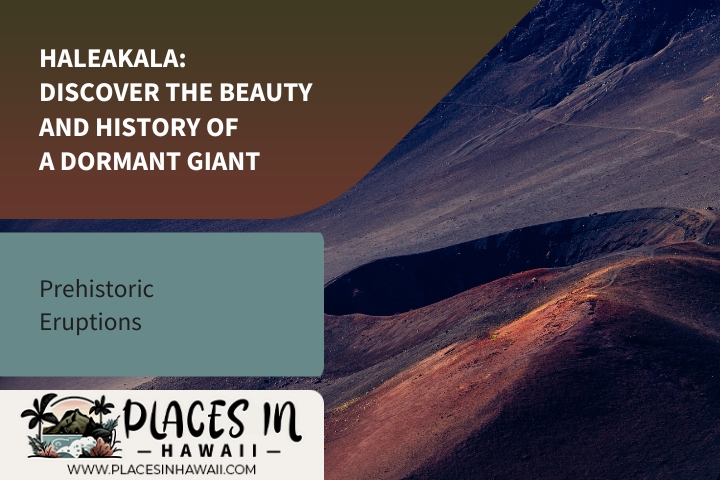
Prehistoric Eruptions
Haleakala is a giant that has been dormant for centuries, but its prehistoric eruptions have left a lasting impression. It is believed the volcanic activity of Haleakala dates back to the late Pleistocene epoch, approximately 300,000 years ago. Its powerful eruptions would have created an impressive landscape that we can still observe today.
The following are some of the most notable impacts Haleakala's prehistoric eruptions had on the land:
- Creation of the crater itself, which is over 7 miles in diameter and more than 2,500 feet deep
- Formation of cinder cones from lave flows within the crater
- Deposition of ash and cinders up to 3 miles away from the volcano
- Catastrophic flooding due to melting snow and ice caused by intense heat
These ancient events shaped much of what we see today when visiting Haleakala National Park. Although it may be hard to imagine such powerful volcanic activity occurring in Hawaii, evidence suggests that this was once a regular occurrence. The legacy left behind by these prehistoric eruptions continues to captivate visitors looking to explore the beauty and history of this dormant giant. With these remnants in mind, it's time to turn our attention to Hawaiian culture and the legends surrounding Haleakala.

Hawaiian Culture And Legends
The iconic dormant giant of Haleakala has been a part of Hawaiian culture for centuries. It is deeply connected to the legends and myths of the island, and its stories have been passed down through generations. From the legend of Maui snaring the sun in his net to create more daylight to stories of how gods and goddesses traveled on the summit, Haleakala's folklore is steeped in ancient traditions.
One such tradition believes that Haleakala is a sacred location where gods could manifest themselves into physical forms. People would make pilgrimages to this site in order to find spiritual enlightenment or divine guidance. These ancient rituals still exist today, with many visitors choosing to hike up the volcano on a spiritual journey. For Hawaiians, Haleakala symbolizes much more than just a dormant giant; it is an embodiment of their cultural identity and connection to nature.
Haleakala's majestic beauty has captivated countless visitors throughout time. Its history can be explored through its folktales and myths as well as through its natural wonders. As we move into learning about recreational activities at this site, we also look forward to uncovering even more about the story behind this spectacular landmark.
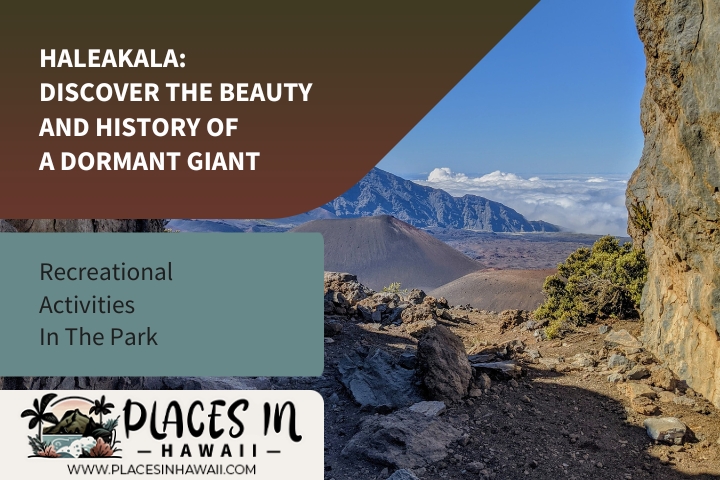
Recreational Activities In The Park
Haleakala National Park offers a plethora of recreational activities for visitors to experience. The picturesque landscape of the dormant giant provides the perfect backdrop for a host of outdoor adventures. Hiking trails, stargazing tours, biking routes, camping sites, and sunrise viewing are just some of the activities that await you at Haleakala National Park.
If hiking is your thing, Haleakala has trails ranging from easy to strenuous. You can explore the cinder cones, lava tubes, and native species while trekking through the park. If you're an avid mountain biker, take on one of the challenging routes that weave along the slopes of Haleakala. Or, if you prefer leisurely rides, there are plenty of flat roads running through lush pastures and lush rainforests. For campers looking for a peaceful night under the stars, there are multiple camping sites located throughout the park.
And don't forget about stargazing! With no light pollution in sight, Haleakala provides one of the best night skies in Hawaii for viewing stars and constellations. Join a guided tour and learn about astronomy as you gaze up into the heavens above. For early risers hoping to catch a glimpse of an awe-inspiring sunrise, plan ahead and find yourself in one of the best spots with unobstructed views before daybreak arrives.
The opportunities for fun and exploration at Haleakala National Park are endless come experience them all! From its breathtaking scenery to its array of recreational activities, it's no wonder why this dormant giant continues to draw visitors from near and far every year. Next up: Let's explore some of the unique flora and fauna that can be found within this incredible park.

Flora And Fauna At Haleakala
The kaleidoscope of colors that emerge on the slopes of Haleakala makes for an awe-inspiring sight. The flora of the mountains ranges from native plants, like the silversword, to endemic species, like Haleakala mamane, along with a variety of exotic plants. All these vibrant life forms create a lush landscape that is full of life and beauty.
For bird enthusiasts, Haleakala is a paradise. There are over twenty species of native and migratory birds, including the critically endangered Hawaiian petrel and the nene goose. Bird watching is a popular activity among visitors to the summit, as there is an abundance of avian life in this area.
Endangered species also find refuge in Haleakala's tranquil environment. The Hawaiian hoary bat and Maui Nui honeycreeper are just two examples of threatened creatures that call this dormant giant home. The area is also home to numerous endemic insects, reptiles, and amphibians that have adapted to their unique surroundings over centuries.
It is clear that Haleakala provides an ideal habitat for wildlife: From rare birds to endangered mammals, it has become a sanctuary for many species dependent on its unique environment for survival. With its rich biodiversity, it offers endless opportunities for exploration and discovery both above and below ground making it an ideal destination for nature lovers and adventurers alike. From exploring its vibrant flora to observing astronomical phenomena on its summit, this majestic mountain invites all who visit her slopes to experience her wonders firsthand.

Astronomical Observations On The Summit
On the summit of Haleakala, the night sky displays an awe-inspiring spectacle of stars and planets. Astronomical observations on the summit are a must-see experience for any visitor. With no artificial light sources to interfere with the view, visitors get a full appreciation of what it feels like to be in the middle of a vast universe.
| Stars | Planets | Galaxies |
|---|---|---|
| A serene blanket of twinkling stars | Bright points of light that appear to move among constellations | Expansive clouds of dust, gas, and billions of stars stretching across the sky |
| An endless expanse of glistening pinpoints that illuminate the night | A breathtaking view of other planets in our solar system from Earth's perspective | Distant galaxies far away from our own Milky Way galaxy |
| Vast star clusters that form unique patterns in space | Saturn's shimmering rings or Jupiter's red spot illuminated by moonlight | Nebulae - beautiful colorful clouds made up of interstellar matter and glowing gases |
The best time to observe these astronomical wonders is at night when the skies are clear and dark. With just a few steps up to the summit, visitors can witness firsthand this incredible cosmic dance. An experience that will stay with you forever! From here, one can take in all the beauty and mystery that lies beyond our own planet.
The grandeur and majesty of our universe are humbling; one has to see it with their own eyes to truly understand its power. Visiting Haleakala at night is an unforgettable adventure that no traveler should miss out on. With perfect weather conditions and pristine visibility, it provides an unparalleled opportunity for those seeking an escape into nature's beauty and wonder.

Weather Conditions On The Summit
Descending from the summit of Haleakala, visitors can take in the breathtaking views of Hawaii's dormant giant. However, as you make your way down this volcano, you must be prepared to face weather conditions that could be quite unpredictable at times. Understanding what to expect is important for a successful visit.
The weather on Haleakala's summit is 65F, typically windy and cool year-round. Temperatures range between 45F to 65F. The higher elevations may experience colder temperatures, and snowfall is not uncommon during the winter months. Visitors should dress accordingly and bring layers when visiting the summit. It's also important to note that the sun sets quickly here, so if you plan on staying longer than a day or two, bring along a flashlight or headlamp they come in handy!
The winds can also be strong on the summit, making it difficult to traverse and potentially hazardous for climbers or hikers who have not adequately prepared themselves for such conditions. It's best to check ahead with local guides or tour operators before attempting any outdoor activities up there. Knowing what safety precautions to take and having appropriate gear is essential for any visit to Haleakala's summit.
Whether you're visiting Haleakala just to observe its majestic beauty or are planning an outdoor adventure, understanding the weather conditions on the summit will help ensure a safe and enjoyable experience. As you get ready for your journey up this volcano, keep these tips in mind so that you can fully appreciate what nature has to offer here at Haleakala National Park. From there, we'll transition into our next section about conservation efforts in the park, allowing us all to continue enjoying its wonders for years to come.
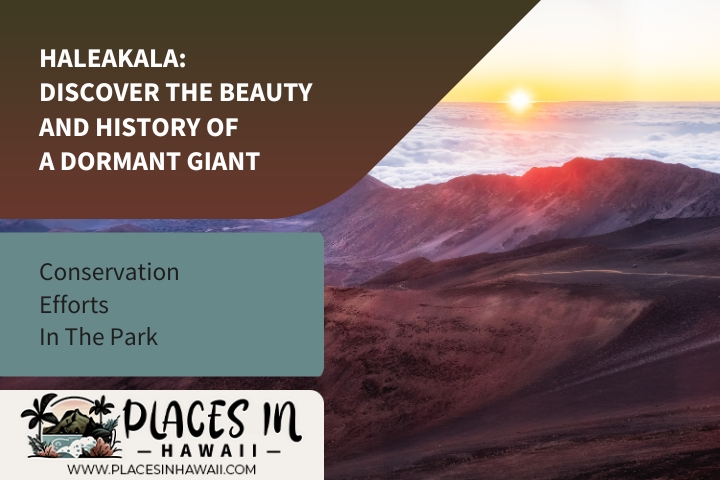
Conservation Efforts In The Park
The conservation efforts at Haleakala National Park are essential for preserving the beauty, culture, and wildlife of this dormant giant. The park has implemented a variety of initiatives to protect endangered species, such as the Hawaiian goose, and keep the ecosystem in balance. Additionally, they've taken steps to ensure that visitors don't disturb or damage any of the natural habitats.
Haleakala National Park is dedicated to volcano conservation and works hard to prevent soil erosion, protect vegetation from invasive species, and reduce air pollution. An artificial water catchment system was installed in the area around the summit, which helps capture rainwater runoff during storms. The park also uses sustainable practices, such as solar energy for its visitor center and eco-friendly transportation options for visitors.
The staff of Haleakala National Park has made great strides in preserving this unique landscape and its inhabitants over the years. From reducing noise pollution from aircraft overflights to restoring native plant species, they're doing all they can to ensure that this beautiful area remains vibrant for generations to come.
With these conservation efforts firmly in place, it's time to move on to some tips for visiting tourists!

Visiting Tips For Tourists
Visiting Haleakala National Park is an experience like no other. Located on the Hawaiian island of Maui, this dormant giant provides breathtaking views and a unique history to explore. A visit to this park should be planned out carefully, however, as there are many things to consider before embarking on your journey. Here are some tips for tourists visiting Haleakala:
- Weather: The weather at Haleakala can change quickly, so it's important to check the forecast before planning your trip. Temperatures tend to be cooler higher up in the park, so warm layers are recommended even during the summer months. It's also wise to bring rain jackets or umbrellas in case of sudden showers.
- Tourist Activities: There is plenty for tourists to do at Haleakala National Park - from hiking trails and camping spots to bike rentals and ranger-led tours. From sunrise atop the summit to stargazing after dark, visitors will find countless activities that can make their trip memorable.
- Planning Ahead: Planning ahead of time is key when visiting Haleakala National Park. Booking accommodations and activities early can help save time and money and ensure that you have a pleasant Hawaii travel experience. Other aspects, such as transportation and food, should also be taken into consideration before starting your journey.
Visiting this majestic national park is an adventure like no other; by following these tips and planning ahead, you'll be sure to make the most out of your Haleakala Park visit!

Frequently Asked Questions
How Much Does It Cost To Visit Haleakala?
Visiting the majestic Haleakala is a great way to take in the beauty and history of this dormant giant. But what does it cost to get in? Let's explore the entrance fees, ticket prices, and park admission costs associated with visiting Haleakala National Park.
If you want to check out the stunning views from atop the mountain, there are several ways to do so. First, if you plan on driving up yourself, there is an entrance fee of $25 per vehicle or $12 for a single person entering by foot or bicycle. This fee allows for three days of access within a one-week period.
Second, if you'd like to take a guided tour around the crater floor and summit areas, there are several companies that offer such services. Prices vary depending on the tour size and length but generally start around $50 per person. It is important to note that these tours don't cover park admission fees, which must be paid separately either ahead of time online or upon arrival at the visitor center.
So whether you choose to explore Haleakala National Park solo or take part in an organized tour group, it's important to keep these costs in mind when planning your visit. With its dramatic landscape and fascinating history, Haleakala offers something for everyone and at prices that won't break the bank!
Is There A Guided Tour Of The Park?
Are you looking for a unique experience in the majestic Haleakala National Park? If so, you may be wondering if there is a guided tour of the park. Fortunately, there are many exciting guided tours available to visitors who want to explore this dormant giant.
From guided hikes to walking tours and expeditions, there are plenty of ways to explore the beauty and history of Haleakala. Here's a list of four options for those wishing to make the most of their visit:
- Guided hike through Haleakala National Park
- Guided walking tour of Haleakala
- Guided expeditions in Haleakala
- Guided tour of the park with an experienced guide
Whether you're looking for a leisurely walk or an adventure-filled expedition, these guided tours will provide you with the opportunity to learn more about this incredible place. From its natural wonders and cultural heritage to its breathtaking views, a guided tour will help bring your visit to life like never before. Plus, with expert guides by your side, it's never been easier or safer to explore one of Hawaii's most iconic sites.
So dont miss out on this once-in-a-lifetime chance to uncover the secrets and stories that lie hidden within this dormant giant book your own guided tour today! With its combination of natural beauty and cultural significance not to mention adventure and exploration visiting Haleakala National Park is sure to be an unforgettable experience.
Are There Any Restaurants Or Lodging Near Haleakala?
The dormant giant of Haleakala is a sight to behold, but the question remains: Are there any restaurants or lodging near it? For those who want to explore the beauty and history of this incredible place, the answer is yes!
Surprisingly, there are plenty of options for dining and lodging close to Haleakala. From nearby restaurants offering up local Hawaiian cuisine to cozy lodges tucked away in the lush Maui countryside, you'll be sure to find something that fits your needs. Whether you're looking for a romantic evening out or a family-friendly adventure, there's something for everyone.
The beauty of Haleakala doesn't have to end when you leave the park's boundaries. There are plenty of nearby restaurants and lodges that can help you experience the majestic wonder of this dormant giant in all its glory. With so many dining options available, you can enjoy delicious meals while taking in stunning views all while feeling like you're still connected to this special place. From cozy cabins with breathtaking views to chic eateries with traditional Hawaiian fare, your stay at Haleakala will be full of wonderful memories and delicious experiences.
Are There Any Safety Concerns While Visiting The Park?
When visiting the majestic Haleakala National Park, it's important to be aware of possible safety concerns. While discovering the beauty and history of this dormant giant, visitors should take extra caution when hiking and familiarize themselves with the weather and wildlife conditions.
As with any national park, there are a few things to keep in mind before embarking on your journey. Before going on a hike, make sure that you have plenty of water and supplies in case of emergencies. It's also important to keep an eye out for wildlife while enjoying the scenery. Animals such as feral pigs can be found in certain parts of the park and may pose a danger if encountered. To stay safe, avoid approaching or feeding any wildlife in the area.
The weather at Haleakala can change quickly, so it's important to check forecasts before your trip. Conditions like strong winds, high temperatures, and flash flooding can occur at any time, so plan accordingly and always follow the safety protocols recommended by park rangers or staff members. Additionally, be sure to wear appropriate clothing when exploring the area, as some trails require sturdy shoes or boots for protection against cactus spines or other sharp objects.
Visitors should also remember that nighttime hikes are prohibited due to dangerous terrain, unpredictable weather conditions, and potentially harmful animals that inhabit higher elevations of the park after dark. Taking these tips into consideration will ensure a safe and enjoyable experience while discovering all that Haleakala has to offer!
Are There Any Areas That Are Off-Limits To Visitors?
When it comes to visiting Haleakala National Park, many visitors may be wondering if there are any areas that are off-limits. The answer is yes; certain parts of the park are not accessible to visitors, making it important for those who wish to visit the park to understand the restrictions.
There are a few areas with restricted access in the park, and visitors should be aware that these zones have no entry permitted. These include places such as the crater floor and Silversword Loop Trail. Additionally, there are portions of the park that are closed at certain times, so it's important to check with rangers before visiting specific sites.
Areas that aren't open to visitors can still be appreciated for their beauty and historical significance. For example, one of the most iconic sites in Haleakala is its summit crater, a dormant giant where visitors can find stunning landscapes and rare species of plants and animals. Here is a list of some highlights:
- A sprawling view of Mauis central valley from 10,000 feet above sea level
- Guided hikes through lush rainforest trails
- An incredible array of native birds, like nene geese and Hawaiian honeycreepers
- Unique geological formations, like cinder cones and lava tubes
These experiences provide an unforgettable adventure for nature lovers and historians alike. The National Park Service works hard to ensure everyone's safety while enjoying all that Haleakala has to offer, including limiting access to certain areas when necessary. By familiarizing yourself with what's off-limits beforehand, you'll be able to explore this remarkable place without worry or interruption!

Conclusion
Standing at the summit of Haleakala, one can't help but be in awe of this majestic, dormant giant. From this peak, you can experience a vast array of beauty and history that makes it one of Hawaii's most popular attractions.
Visiting this incredible destination doesn't have to break the bank. Admission to the park typically costs between $25 and $30 for the day, and guided tours are offered for those who wish to learn more about its rich history. There are also restaurants and lodging located close by for your convenience.
Haleakala is generally a safe place to visit; however, it is important to remember that certain areas of the park are off-limits to visitors due to safety concerns. It's always wise to stay on marked trails when exploring and to take extra caution when hiking around the summit. To draw in an audience, one interesting statistic worth noting is that Haleakala means "house of the sun" in Hawaiian, referring to its sunrise tradition, which attracts over one million visitors each year!
Whether you're looking for a breathtaking view or want to explore its fascinating past, Haleakala has something for everyone! So if you ever find yourself in Maui, don't miss out on the chance to discover all that this incredible dormant giant has to offer!
What To Do Next
Uncover the secrets of the world's largest volcano, Mauna Loa, and learn how to make your Hawaiian trip a memorable one by visiting our informative page.
Immerse yourself in the iconic beauty of Diamond Head by reading our detailed article, packed with essential tips and insights for your Hawaiian getaway.